Nara And Uji Day Tour
Tours & tickets

Hand-picked by our editors — only the best 5 departures from 18 reviewed.

Open today 00:00–23:59
Attendance: Moderate — weekday morning
Deer are most active before the afternoon heat.
Free cancellation Instant confirmation Mobile voucher Verified partner Skip-the-line
Tickets

Choose your ticket

Verified partners for every tour, free cancellation where available, and instant confirmation on every booking.

Arashiyama, Nara & Fushimi Inari Day Trip from Osaka/Kyoto 10 hr
Guided Experience

Arashiyama, Nara & Fushimi Inari Day Trip from Osaka/Kyoto

4.4 (1064)
€41
per person
Instant Mobile voucher Flexible — change up to 24h

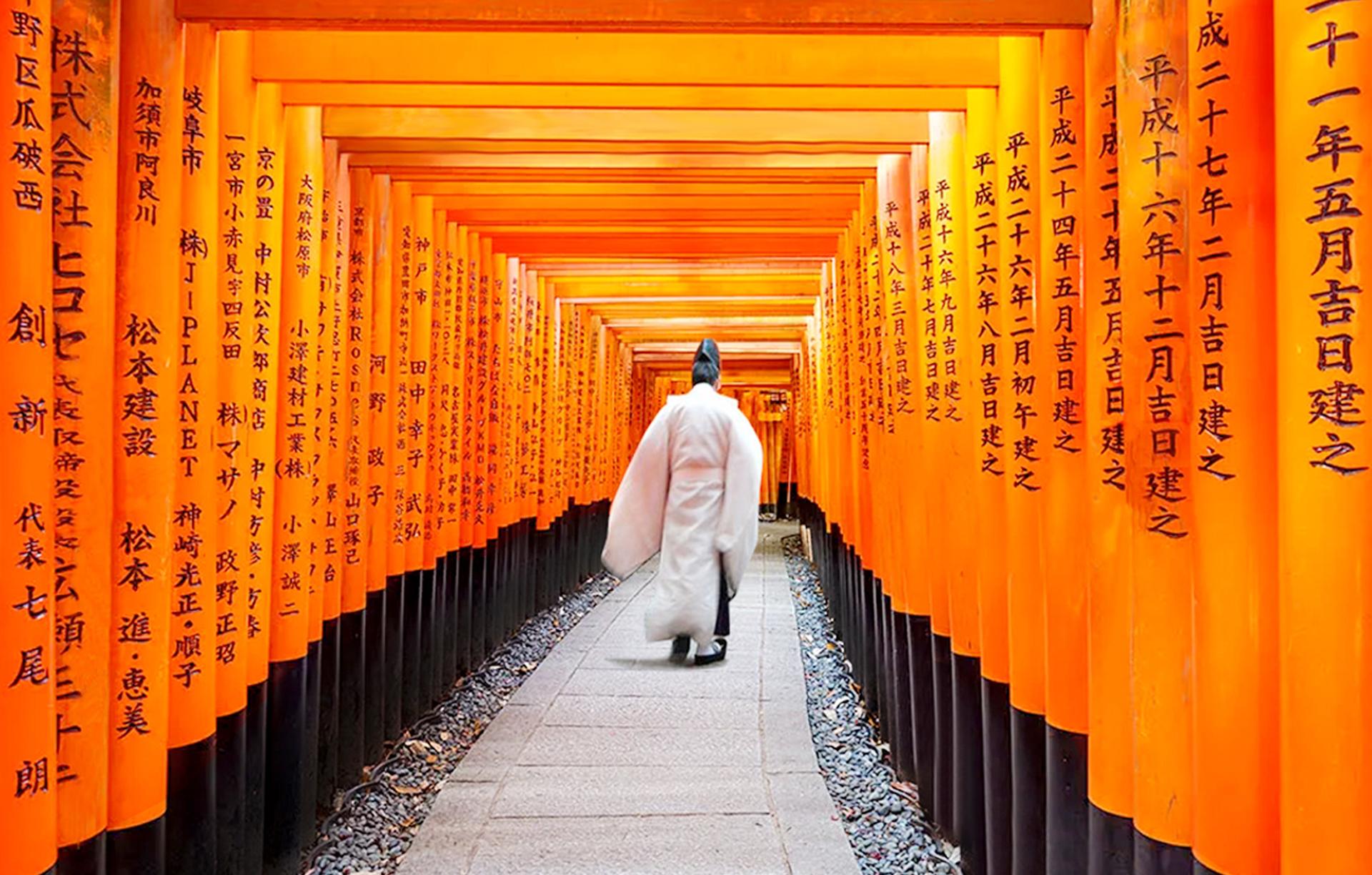
Visit three iconic Japanese destinations in one day: bamboo groves, sacred deer, and vermilion shrine gates

Reserve
Nara & Uji Day Tour with Deer Feeding and Optional Hot Spring 24 hr
Guided Experience

Nara & Uji Day Tour with Deer Feeding and Optional Hot Spring

4.3 (419)
$57
per person
Instant Mobile voucher Flexible — change up to 24h

Journey to ancient temples, interact with wild deer, savor matcha treats, and unwind in natural hot springs

Reserve

Prices from verified partners. Availability updates in real time at checkout. Free cancellation policies apply where shown.

What you'll do

Inside a tour, step by step

  1. 01 60 min

    Deer Meadow Stroll

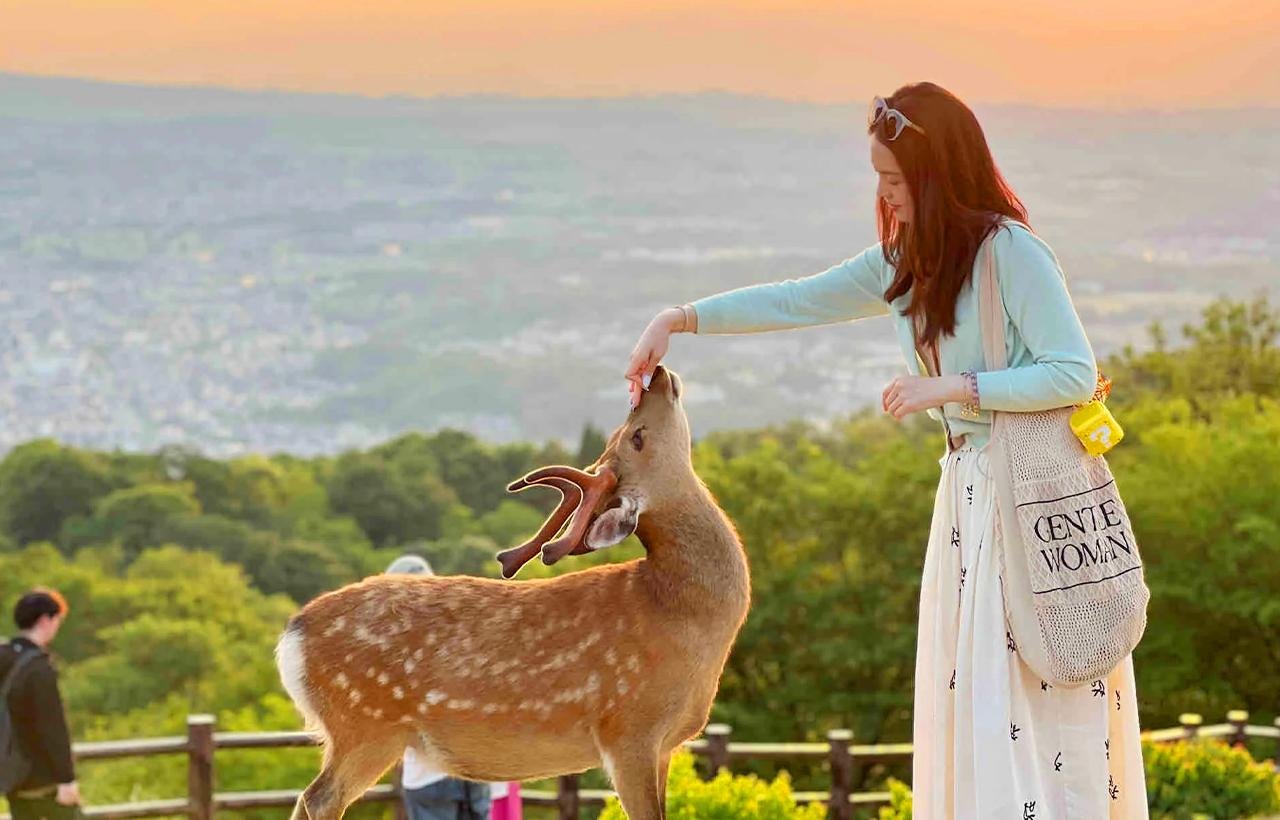
    Observe and interact with the famous wild deer.

  2. 02 90 min

    Todaiji Temple

    Visit the Great Buddha hall, a UNESCO site.

  3. 03 60 min

    Kasuga Taisha

    Walk the lantern-lined path to this historic shrine.

  4. 04 60 min

    Nara National Museum

    Explore Buddhist art collections in the park.

Highlights

What you'll see inside the attraction

The landmarks, rooms, and views travelers on this tour remember — all visible on a single visit.

Todaiji Temple

This massive temple houses the Daibutsu, a 15-meter tall bronze Buddha statue inside one of the world's largest wooden buildings.

Kasuga Taisha

Known for its 3,000 stone and bronze lanterns, this shrine is set deep within the park's ancient, forested grounds.

Nara Deer

Over 1,200 wild, free-roaming deer are considered messengers of the gods and are a special natural monument.

Nara National Museum

This museum features an extensive collection of ancient Buddhist sculptures and scrolls from Nara's time as the capital.

Mount Wakakusa

A grassy hill providing panoramic views of the city, especially during the annual winter mountain-burning event.

Head to head

Nara Park vs Fushimi Inari-Taisha for a Nara and Uji Tour From Osaka

They offer distinct experiences; most visitors who choose a nara and uji tour from osaka find Nara Park more relaxing, while Fushimi Inari-Taisha is physically more demanding. Whether you prefer deer encounters or walking through thousands of vermilion torii gates, both landmarks provide essential cultural context.

Feature Top pick Nara Park Fushimi Inari-Taisha
Primary draw
Vermilion torii gates
Typical visit duration
2–4 hours
Physical exertion level
Moderate to High
Crowd density
Very high
Interaction style
Hiking trails
Ideal for photography
Yes

Verdict: If you have reserved nara and uji tour from osaka tickets, prioritize Nara Park for its open spaces or Fushimi Inari for an active mountain trek.

How your ticket works

Book your ticket in 3 steps

  1. 01

    Book online

    Choose your ticket, select your date, and reserve in under two minutes. Secure checkout handled by our verified partner.

  2. 02

    Receive your mobile voucher

    Instant confirmation by email, with a mobile voucher you can save offline. No printing, no queuing at a collection desk.

  3. 03

    Show & enter

    Arrive at the entrance, show your voucher on your phone, and walk in. Most tickets include priority or skip-the-line access.

Plan your visit

Everything you need to know before you go

Practical details for your visit straight from our verified partners — hours, access, rules, and how to get there.

Open today · 00:00–23:59
Opening Hours
00:00–23:59
Address
469 Zoshicho, Nara, 630-8501, Japan
Entry Fee
0 JPY
Best Arrival
08:00–10:00
Navigation
Public pathways open
Mon
00:00–23:59
Tue
00:00–23:59
Wed
00:00–23:59
Thu
00:00–23:59
Fri
00:00–23:59
Sat
00:00–23:59
Sun
00:00–23:59
Main entrance

Kintetsu Nara Station

4-20 Noborioji-cho

Main hub for most nara and uji tour from osaka visitors.

Address
469 Zoshicho, Nara, 630-8501, Japan
Navigation
Public pathways open

How to get there

🚆
Public transport · 45 min · approx 600 JPY

Take the Kintetsu-Nara Line from Osaka-Namba Station to Kintetsu-Nara Station.

🚶
Walk · 5–10 min · Free

From Kintetsu-Nara Station, follow signs toward the park entrance.

Dress code

Respectful attire is recommended when visiting the various shrines and temples within Nara Park. Comfortable walking shoes are essential as the park grounds are expansive and feature gravel paths.

Bags & security

There are no security checkpoints or bag restrictions for the park grounds. Keep all food, paper, and plastic bags out of sight to prevent deer from approaching you aggressively.

Photography

Photography is permitted throughout the park. Please be respectful of other visitors and refrain from disturbing the wild deer for the sake of a photo.

Accessibility

Most main paths are paved or packed gravel, making them generally accessible for wheelchairs. However, some historical temple areas may have steps or uneven terrain.

Mobile phones

Mobile phone use is permitted everywhere. Download local maps in advance to navigate the large park area effectively during your nara and uji tour from osaka.

What to bring

  • Comfortable walking shoes
  • Sunscreen
  • Water bottle
  • Umbrella
  • Small bag for trash
  • Camera

Not allowed

  • Human food
  • Plastic bags
  • Paper products
  • Unapproved animal feed
  • Drones
  • Alcohol
  • Loudspeakers
  • Smoking in non-designated areas

Families & strollers

Nara Park is very family-friendly, but children should always be supervised around the deer. Feeding the deer can be an exciting activity for younger visitors when done safely.

Food & drink

Picnicking is allowed in designated areas, but avoid carrying food in open bags. Local vendors sell authorized deer crackers, which are the only food permitted for the animals.

Pets

Pets are generally allowed in the park but must be kept on a leash at all times. Keep dogs away from the wild deer to avoid stressful interactions for both animals.

Good to know

As a central part of your nara and uji tour from osaka, remember that Nara Park is home to over 1,200 wild sika deer. Always take your trash with you, as there are no public bins.

Meeting point

Where to find us

Kintetsu Nara Station

4-20 Noborioji-cho

Main hub for most nara and uji tour from osaka visitors.

Get directions
Around your visit

Everything else worth knowing

Best time to go, insider tips, nearby landmarks, and the cancellation fine print — flip through to skim what matters to you.

Best time to visit

How crowds, weather, and events shift across the year.

Spring

Mild temperatures; cherry blossoms bloom in late March/April.

Summer

Hot and humid; enjoy evening temple light-up events.

Autumn

Cooler weather; ideal for viewing vibrant fall foliage in November.

Winter

Cold and quiet; fewer crowds and peaceful park walks.

Helpful tips for your visit

Small details that turn a good visit into a great one.

Early start

Arrive between 08:00–10:00 to beat the heat and crowds.

Deer etiquette

Do not feed deer anything except the official deer crackers.

Trash rule

Bring a bag for your trash, as bins are rare inside the park.

Footwear

Wear sturdy walking shoes to cover the 511-hectare area.

Stay hydrated

Carry a water bottle, especially during summer visits.

Nearby landmarks

Non-bookable sights within a short walk — free to visit, easy to pair.

Todaiji Temple

10 min walk

Massive wooden temple housing a giant bronze Buddha statue.

Kasuga Taisha

15 min walk

Famous shrine featuring thousands of stone and bronze lanterns.

Kofukuji Temple

5 min walk

Home to an iconic five-story pagoda near the park entrance.

Nara National Museum

10 min walk

Prestigious institution showcasing ancient Japanese Buddhist art.

Cancellation policy

Flexible, no hidden fees.

Nara Park entry is free, so no cancellation policies apply to park grounds. Individual temple attractions within the park may have their own non-refundable ticket policies.

Where to stay

Hotels & districts near the attraction

Hand-picked options within walking distance — pick a district for vibe, or a specific hotel for convenience.

Nara Hotel

15 min walk
luxury

Classic historic hotel located adjacent to the park.

Hotel Nikko Nara

20 min walk
mid-range

Conveniently located near JR Nara Station.

Nara District

varied
district

Numerous guesthouses and ryokans available within walking distance.

About

The place, in context

Nara Park's 1,200 sika deer have roamed freely since the eighth century, protected by imperial decree as messengers of the Kasuga Taisha shrine. The 502-hectare grounds remain open around the clock, absorbing over thirteen million visitors annually while sustaining one of Japan's oldest human-wildlife relationships. Deer bow for senbei crackers sold at authorized stalls — a learned behavior documented in Meiji-era traveler accounts and reinforced by eight decades of regulated feeding protocols. Todaiji Temple anchors the park's western edge. Completed in 752, the Daibutsuden hall houses a fifteen-meter bronze Buddha cast from 437 tonnes of metal, the largest gilt-bronze statue in the world when dedicated. The current hall, rebuilt in 1709 at two-thirds its original width, still claims the title of the world's largest wooden building. Morning light filters through the latticed upper galleries, illuminating the Nara period joinery that has withstood twelve centuries of seismic activity. Thirty kilometers south, Uji straddles the river that gives the town its name and its livelihood. Byodoin Temple's Phoenix Hall, minted onto the ten-yen coin since 1951, floats above a lotus pond engineered in 1053 to mirror Amitabha's Western Paradise. The hall's original Amida Buddha and fifty-two carved bodhisattvas remain in place, a rare survival of Heian court aesthetics. Uji's matcha cultivation dates to the thirteenth century, when monks transplanted tea seeds from China and perfected the shaded-growth technique that concentrates chlorophyll and amino acids. Seven designated tea houses along the Uji River corridor still grind tencha leaves on granite mills, producing ceremonial-grade powder sold by appointment. Kansai's rail and coach networks position Osaka as the natural departure hub for dual-destination itineraries. Most group tours allocate four to five hours in Nara Park, permitting visits to Todaiji, Kasuga Taisha, and the deer meadows before transferring south. Uji segments typically span ninety minutes to two hours — sufficient for Byodoin, a tea house stop, and a river-walk. Multi-city tours fold Fushimi Inari or Arashiyama into the routing, stretching total durations to ten or eleven hours. Coach departures from Namba and Umeda stations run year-round, with English-language guides standard on international-marketed products.

"The 502-hectare grounds absorb over thirteen million visitors annually while sustaining one of Japan's oldest human-wildlife relationships."
Your experience

What a tour day looks like

A step-by-step walkthrough of the visit — what you'll see, how long each stage takes, and the details that matter.

You board a coach at Namba Station before eight, merging onto the Hanshin Expressway as Osaka's towers recede. Fifty minutes later, Nara Park's torii gates frame your arrival. Deer cluster near the entrance, heads tilting as you produce a cracker from the vendor's stack. One bows — a shallow dip, mechanical but unmistakable — and you surrender the senbei. Todaiji's Daibutsuden hall looms ahead, its double-tiered roof cantilevered over bronze doors. Inside, the Great Buddha occupies the central platform, right hand raised in abhaya mudra. You circle the statue clockwise, pausing at the pillar with the nostril-sized aperture that promises enlightenment to anyone who squeezes through. Schoolchildren queue, laughing as they contort. The coach departs for Uji at noon. Byodoin's Phoenix Hall reflects in the pond, a near-perfect inversion. Your guide allocates thirty minutes for the interior tour — the Amida Buddha gleams under controlled lighting, gold leaf renewed in the 2014 restoration. Afterward, you cross to a tea house fronting the river. The matcha arrives thick, whisked to a jade froth, paired with a single wagashi sweet. You sip slowly, watching cormorant fishermen prepare their evening nets downstream.

Frequently asked

Frequently asked questions about nara and uji tour from osaka tours

Is there an entrance fee for Nara Park?

Entrance to Nara Park is 0 JPY; the grounds are free to the public.

What are the opening hours for Nara Park?

The park is open 00:00–23:59 every day, making it flexible for any schedule.

How do I get to Nara Park on a nara and uji tour from osaka?

Most visitors take the Kintetsu or JR line from Osaka to Nara, which is a key part of any nara and uji tour from osaka.

Can I bring my own food to feed the deer?

No, you must only feed the deer official crackers sold by vendors in the park.

Is Nara Park accessible for wheelchairs?

Yes, the main paths in the park are generally accessible for wheelchairs.

What should I do if I am on a nara and uji tour from osaka during summer?

Stay hydrated and visit in the early morning; avoid midday heat during your nara and uji tour from osaka.

Are there lockers available in the park?

Lockers are generally available at the nearby train stations but not within the open park grounds.

Can I visit Nara and Uji on the same day during my tour?

Yes, many travelers combine both cities during a nara and uji tour from osaka as they are well-connected.

What is the best time to arrive at the park?

We recommend an arrival window of 08:00–10:00 to enjoy the park before the crowds peak.