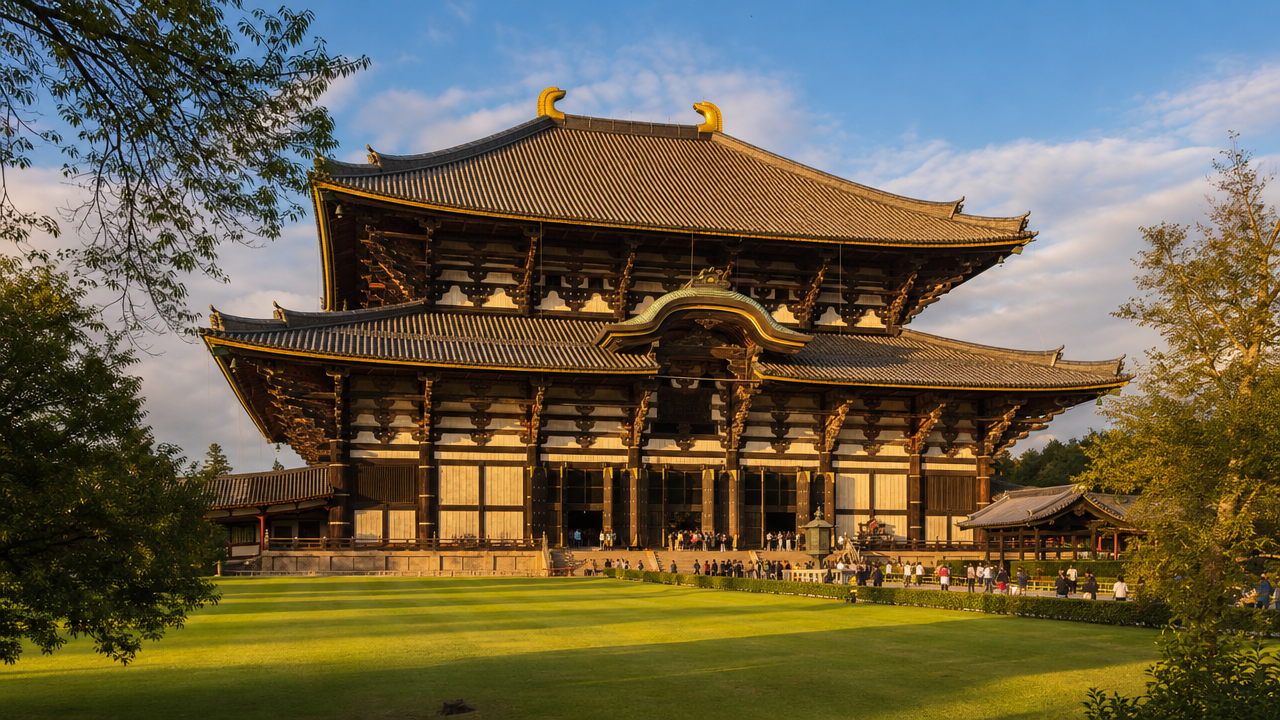
Todai-ji Temple
5 min walk
This temple houses a large bronze Buddha statue and complements the park visit by providing historical context to the surrounding grounds.
Nara sits between two major Kansai hubs, each offering distinct advantages for day visitors. The choice between Osaka and Kyoto as your starting point depends on where you are staying, how much time you have, and what else you plan to see. This guide breaks down the practical differences to help you decide which route works best for your itinerary.
Quick answer
Kyoto offers the shorter journey to Nara Park at 45 minutes via the Kintetsu Nara Line, with trains arriving closer to the deer and temple grounds. Osaka takes 50-60 minutes depending on your starting station, but provides more frequent departures and better connectivity if you are staying in the city center or near Osaka-Namba. Both cities work well as launch points; your choice hinges on accommodation location and whether you are combining Nara with other Kansai destinations.
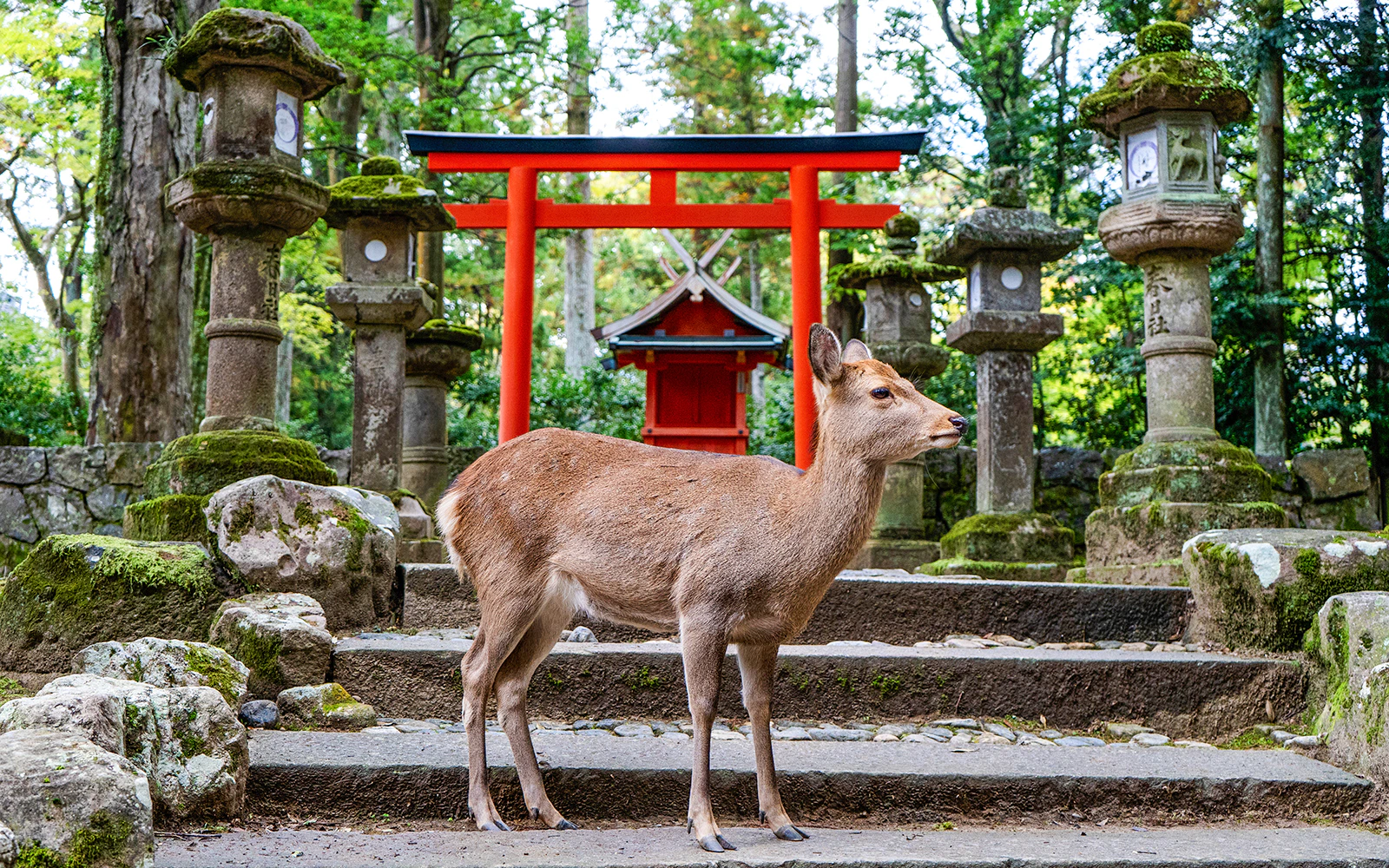
Nara Park draws more than thirteen million visitors annually, yet many travelers wrestle with the same logistical question before their first visit. The 502-hectare park lies equidistant from two of western Japan's largest cities, and the rail infrastructure connecting them creates two viable approaches with measurably different characteristics. Kyoto holds a geographic edge. The Kintetsu Limited Express departs from Kyoto Station and reaches Kintetsu Nara Station in 45 minutes, depositing passengers within a ten-minute walk of Todai-ji Temple and the main deer feeding areas. The route runs hourly, and the station itself opens directly onto Sanjo-dori, the commercial street that leads straight into the park grounds. Travelers staying in Kyoto's central or eastern districts will find this the most efficient option, particularly if they are also visiting Fushimi Inari or Arashiyama on the same trip. Osaka compensates with frequency and flexibility. The Kintetsu Nara Line from Osaka-Namba runs every ten to fifteen minutes during daylight hours, making spontaneous departures easier. The journey takes 40 minutes on rapid services, though travelers starting from Osaka Station or Shin-Osaka must first transfer to Namba via subway or JR, adding 15-20 minutes. For visitors staying near Dotonbori, Namba, or southern Osaka districts, this route eliminates backtracking. The same Kintetsu network also connects Nara directly to Kansai Airport in 85 minutes, a consideration for travelers arriving or departing from that terminal. The decision often hinges on secondary factors. If you are staying in Kyoto and plan to return by early evening, the shorter commute preserves daylight hours. If your accommodation is in Osaka and you are combining Nara with Osaka Castle or the Shinsekai district, departing from Namba avoids the need to relocate between cities. Both routes terminate at the same station, and both deliver you to the park entrance within minutes. The deer, after all, do not distinguish between visitors arriving from the north or the west.
“The 502-hectare park lies equidistant from two of western Japan's largest cities, and the rail infrastructure connecting them creates two viable approaches with measurably different characteristics.”
This itinerary works whether you arrive from Osaka or Kyoto, with both cities offering similar 45-minute train journeys. Plan for a full morning and early afternoon to experience the park's key attractions without rushing.
Enter through the main approach near Nara Station during the recommended arrival window when deer are most active and crowds are minimal. Purchase deer crackers from official vendors if you want to feed them.
Walk to Todai-ji to see the Great Buddha Hall, one of the world's largest wooden structures. Allow time for queues during peak seasons.
Follow the stone lantern-lined path to Kasuga Taisha shrine, located in the forested southern section of the park. The walk takes about 15 minutes from Todai-ji.
Head to nearby Nara-machi for lunch at local restaurants, then explore traditional merchant houses. This area sits just beyond the park's southern edge.
Visit one of these adjacent gardens for a quieter experience before your return journey. Both require separate admission and close by 16:30–17:00.
Regardless of whether you depart from Osaka or Kyoto, the best arrival window is 07:00–09:00. Arriving during this period allows you to avoid mid-day crowds and interact with deer when they are most active.
—
Deer are most energetic and pathways are clear of large tour groups. This is the optimal time for a peaceful park experience.
Mild, 10°C–20°C
Cherry blossoms attract significant visitors, necessitating early arrival to manage crowd density.
Cool, 12°C–22°C
Clear weather and foliage draw many tourists, making early morning the only time to experience the park without congestion.
Verdict: The best time to visit is Tuesday to Thursday between 07:00 and 09:00 during April or October to balance favorable weather with manageable crowd levels.
Nara Park remains open to visitors every day of the week, allowing flexible scheduling when traveling from Osaka or Kyoto.
Nara Park operates as a public space, meaning visitors do not pay an admission fee to access the grounds. There are no ticket tiers required to enter the park.
Verdict: A typical adult pays 0 JPY to enter the park, as there is no admission fee regardless of when you visit.
Several historical sites located within or adjacent to Nara Park offer logical extensions to your visit. These locations allow you to deepen your exploration of Nara's cultural heritage after spending time in the main park area.
5 min walk
This temple houses a large bronze Buddha statue and complements the park visit by providing historical context to the surrounding grounds.
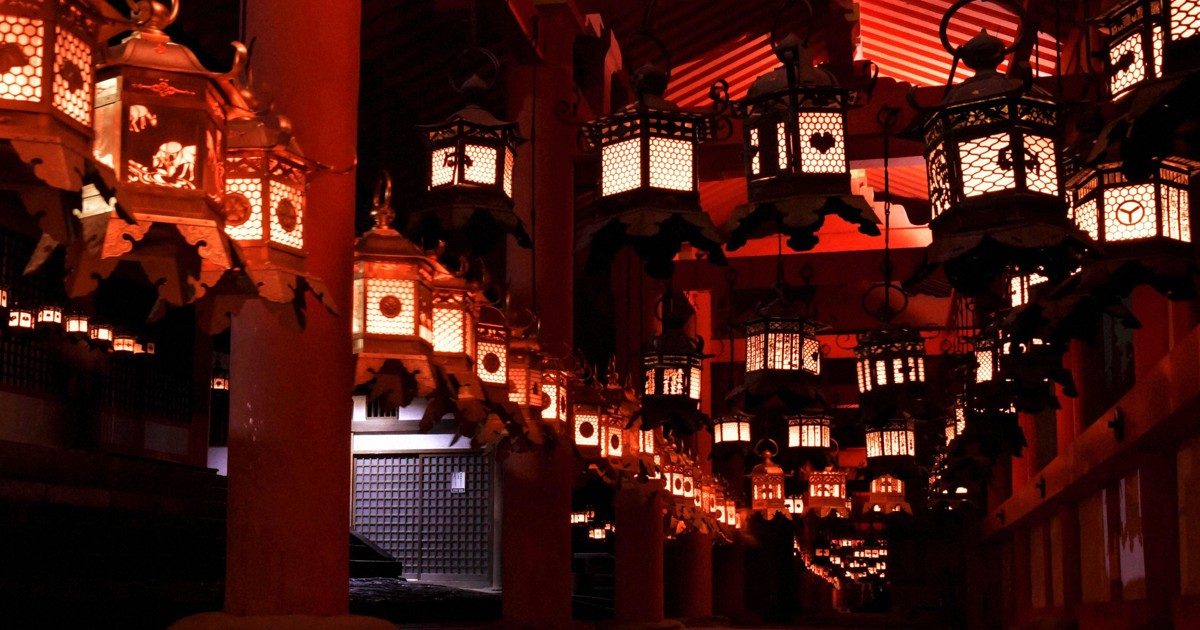
10 min walk
Located at the edge of the park, this shrine is known for its thousands of stone and bronze lanterns and fits naturally into a walking route.
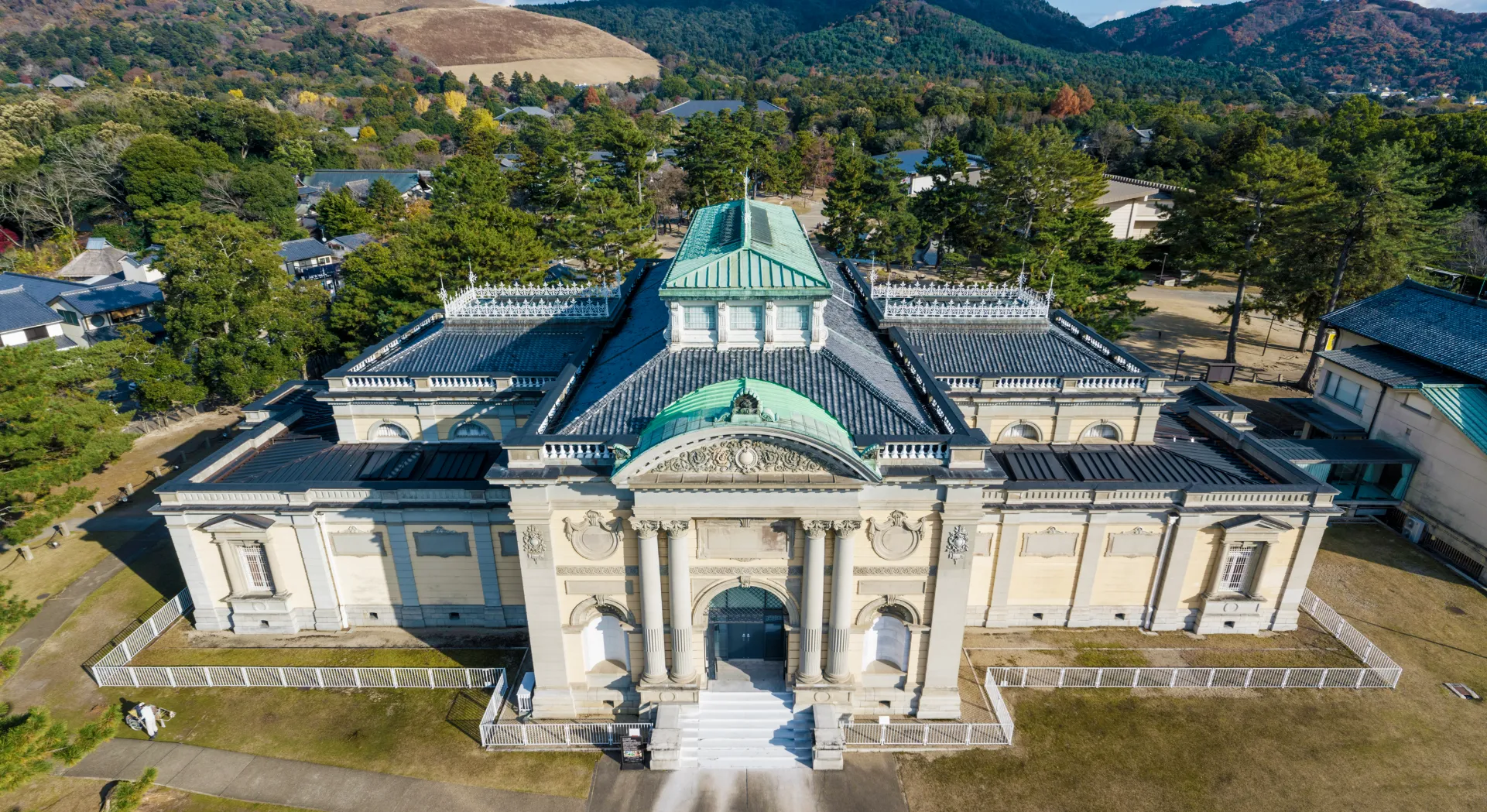
5 min walk
This museum focuses on Japanese Buddhist art and provides a quiet indoor alternative if weather conditions change during your park exploration.
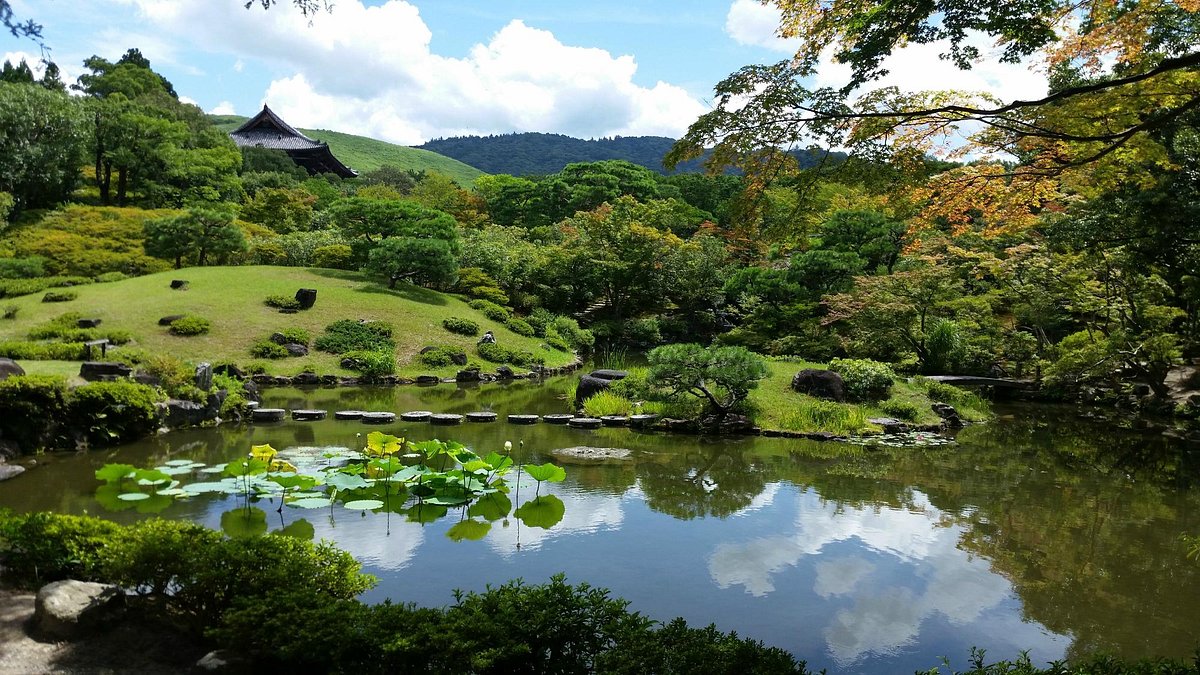
10 min walk
This refined Japanese garden offers a quiet contrast to the open areas of the park and serves as a peaceful final stop before departing.
Everything you need to know about is it better to go to nara from osaka or kyoto
Deciding if it is better to go to Nara from Osaka or Kyoto depends on your current itinerary and rail pass availability. Both cities offer frequent, direct train access to the historic site, so proximity to your accommodation is the most practical deciding factor. Since both routes are efficient, asking is it better to go to Nara from Osaka or Kyoto often leads to a tie based on personal convenience. You will find that both transit options are well-integrated into the local rail network.
Travel times are relatively short from both major hubs. You can generally reach the area within 40 to 60 minutes depending on your departure station and train type. Checking local schedules will help you determine if it is better to go to Nara from Osaka or Kyoto based on your preferred morning departure time.
The best arrival window is 07:00–09:00 to avoid mid-day crowds and interact with deer when they are most active. Arriving early ensures a peaceful experience before the park reaches peak occupancy. Whether you decide it is better to go to Nara from Osaka or Kyoto, an early start is always recommended.
The park grounds feature an entrance fee of 0 JPY, providing free access to all visitors. This makes it an affordable destination regardless of where your journey originates. Please note that while the park is free, individual temples within the grounds may have separate costs.
The park is highly walkable and well-signposted, making it easy to reach various shrines and feeding spots on foot. Most major attractions are concentrated within a reasonable distance of one another. The paths are generally accessible for pedestrians of all fitness levels.
Families often find both routes equally convenient, though many prefer the slightly shorter duration from Osaka if they have young children. Ultimately, checking the transit lines closest to your hotel is more important than debating if it is better to go to Nara from Osaka or Kyoto for kids. Comfort and frequency of service are the primary advantages for traveling groups.
The most common mistake is arriving too late in the day when the popular spots are already crowded with tour groups. By prioritizing an early arrival, you bypass these bottlenecks entirely. Planning your route in advance helps ensure a smoother experience regardless of your starting point.
Nara offers a distinct collection of ancient temples and free-roaming deer that differ from the urban character of Osaka or the dense historical districts of Kyoto. Visitors enjoy the expansive nature of the site, which provides a different atmosphere compared to the busy streets of its neighboring cities.