10 hr
Arashiyama, Nara & Fushimi Inari Day Trip from Osaka/Kyoto
Visit three iconic Japanese destinations in one day: bamboo groves, sacred deer, and vermilion shrine gates
Reserve
Ancient capitals meet in a single day, where deer bow and tea ceremonies began
Hand-picked by our editors — only the best 12 experiences from 47 reviewed
Verified partners for Nara and Uji Day tours, free cancellation where available, and instant confirmation on every booking.
10 hr
Visit three iconic Japanese destinations in one day: bamboo groves, sacred deer, and vermilion shrine gates
Reserve
10 hr
Explore three iconic destinations in one day: sacred deer encounters, vermilion shrine gates, and tranquil bamboo groves
Reserve
24 hr
Experience ancient temples, interact with roaming deer, and savor matcha culture on this guided excursion from Osaka
ReservePrices from verified partners. Availability updates in real time at checkout. Free cancellation policies apply where shown.
The landmarks, rooms, and views travelers on Nara and Uji Day tours remember — all visible on a single visit.
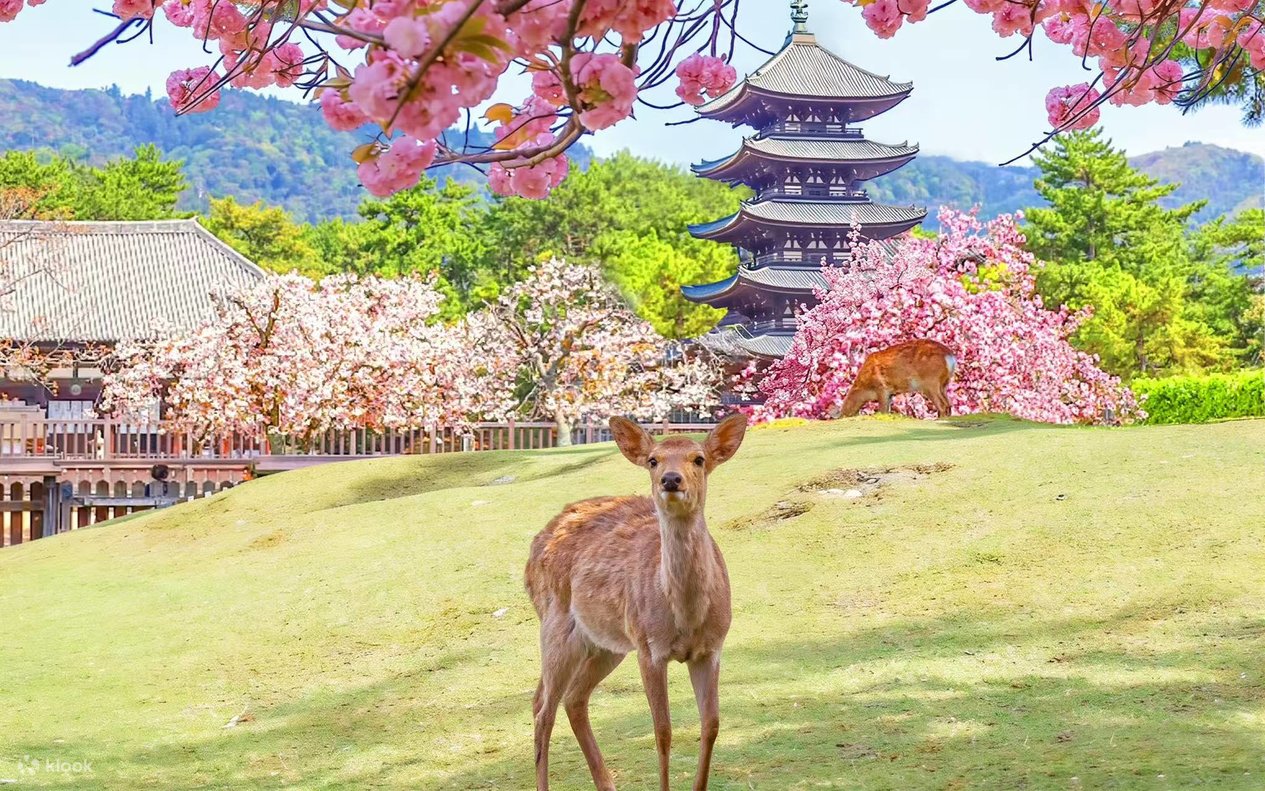
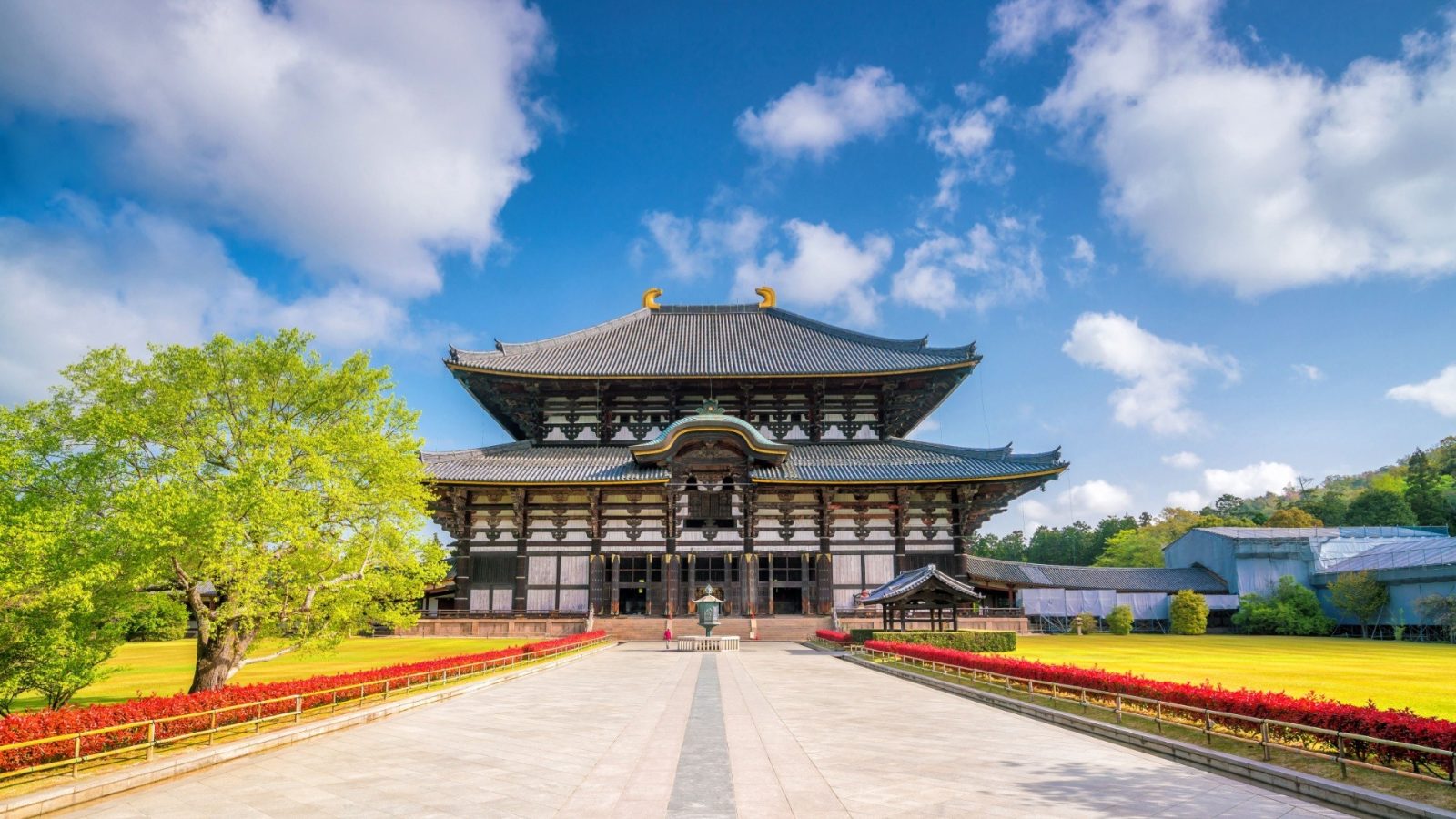
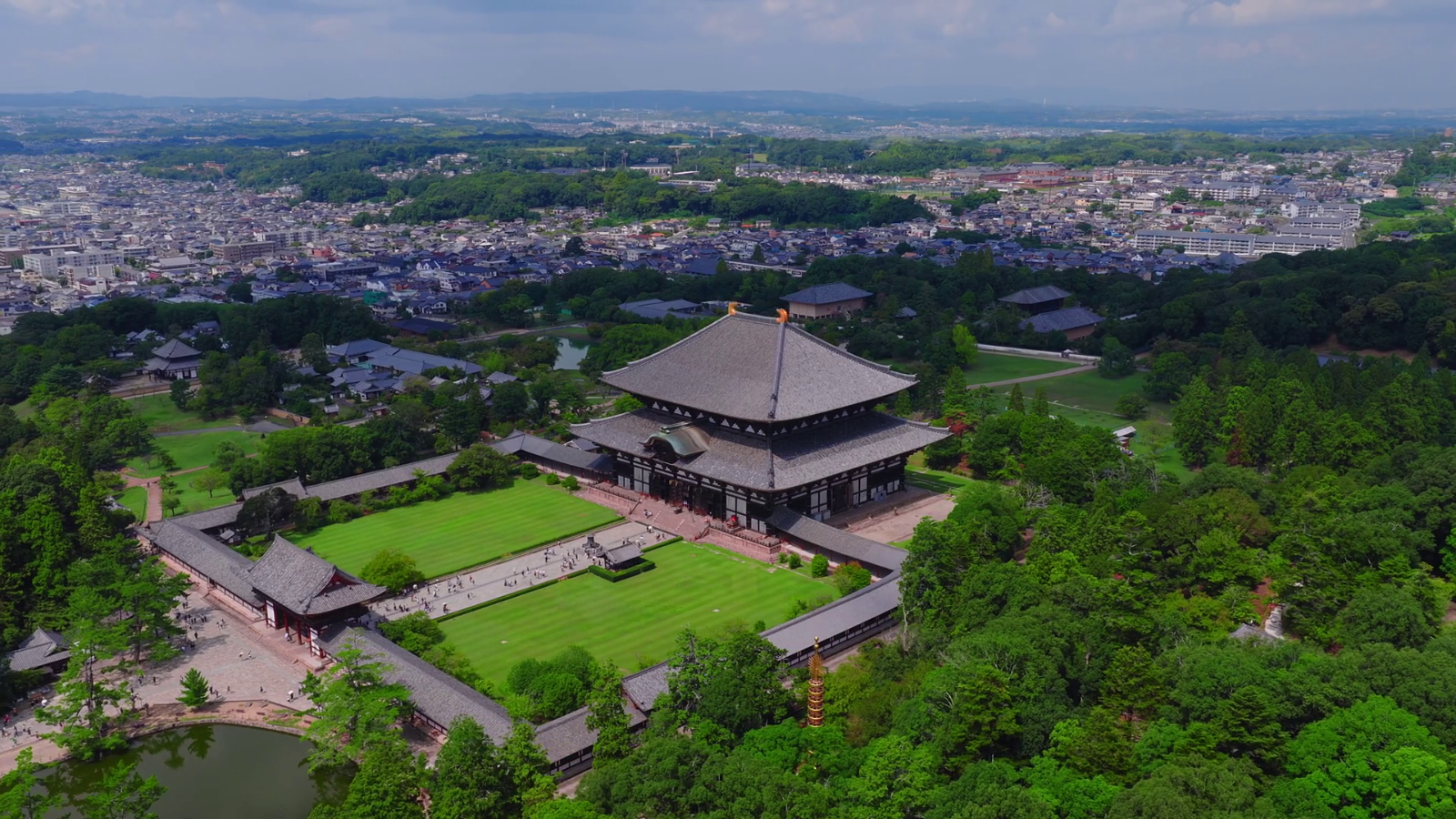
A monumental wooden temple that houses the Great Buddha statue, standing as one of the most significant landmarks in Japan.
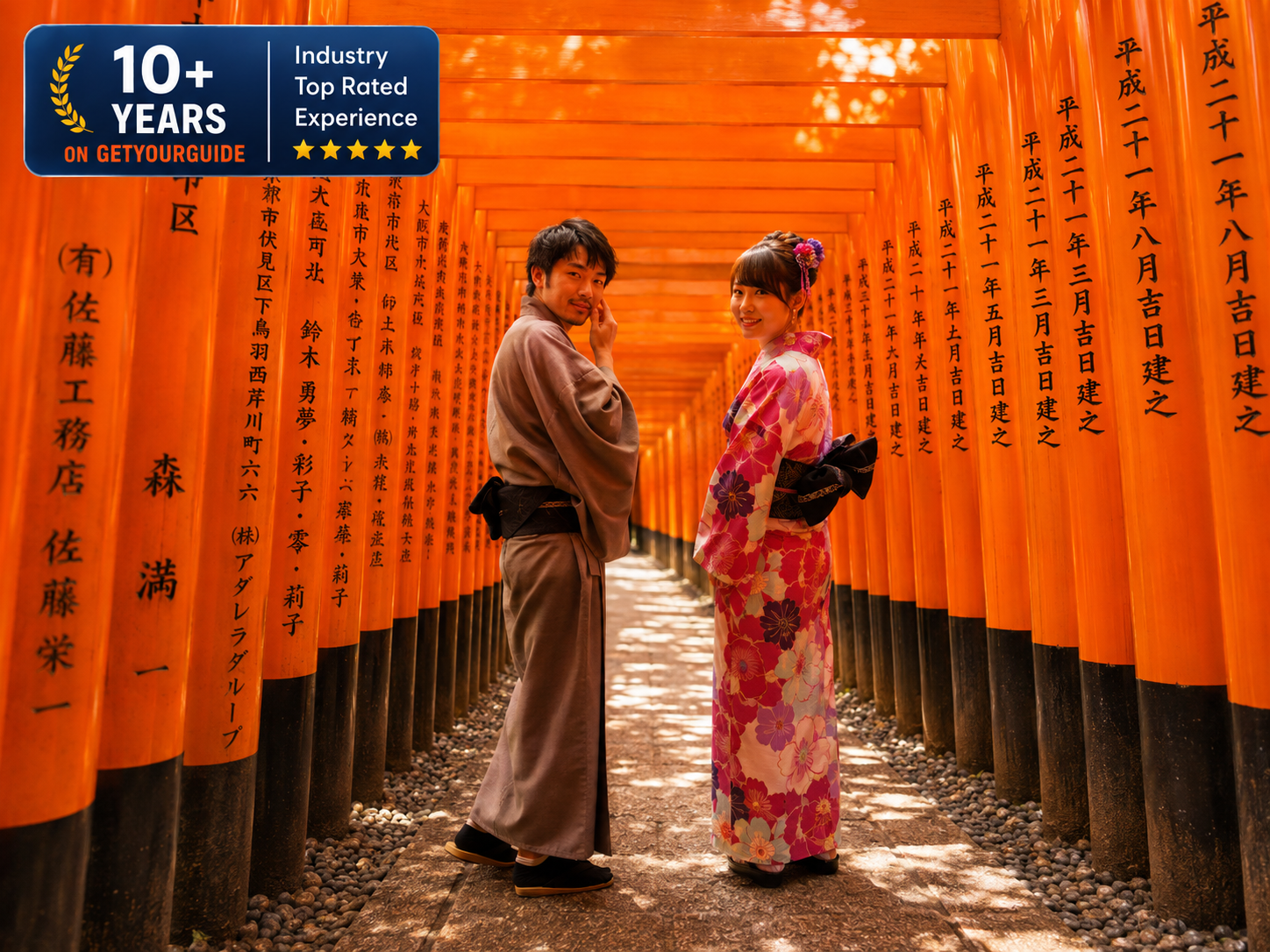
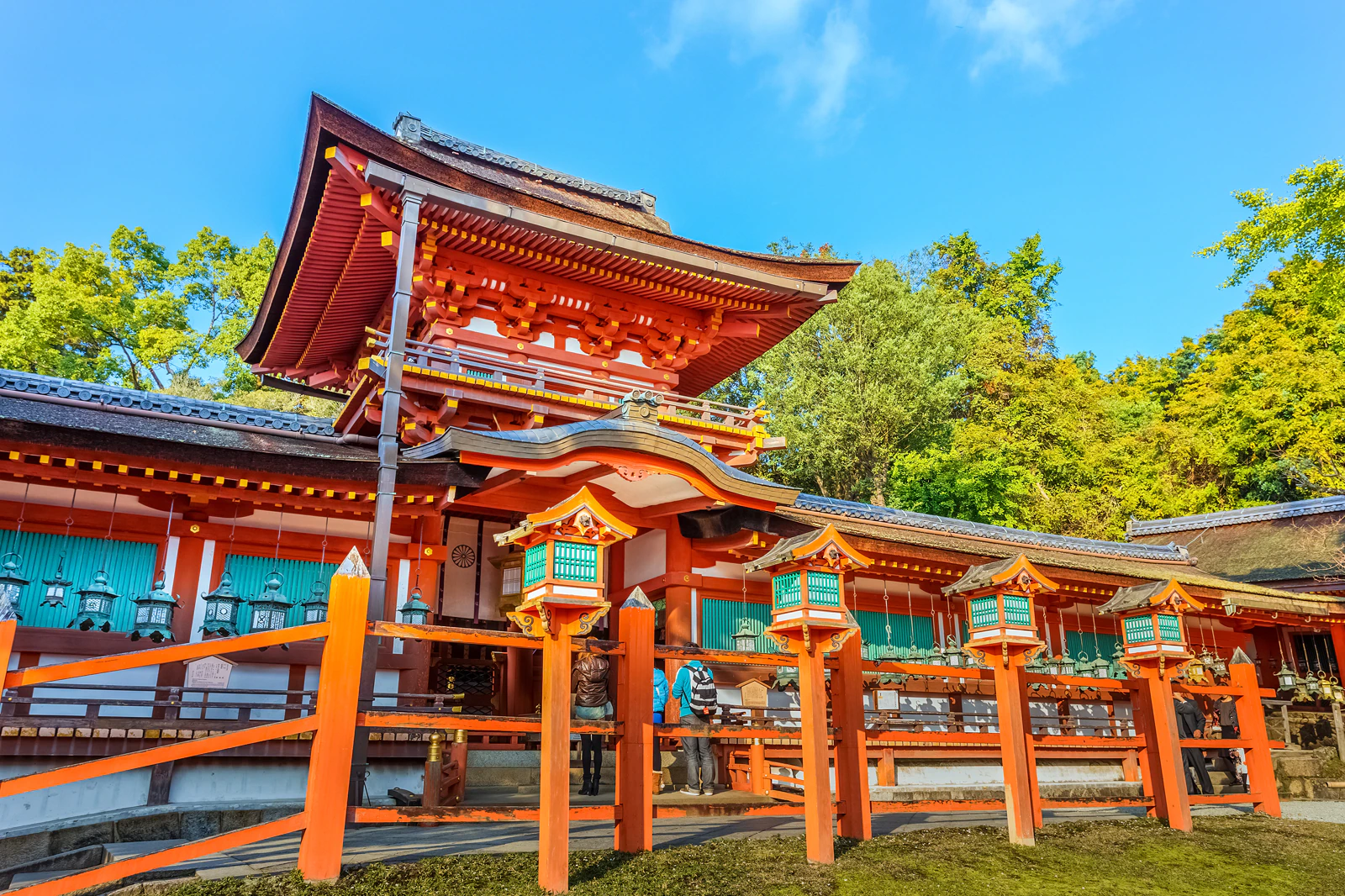
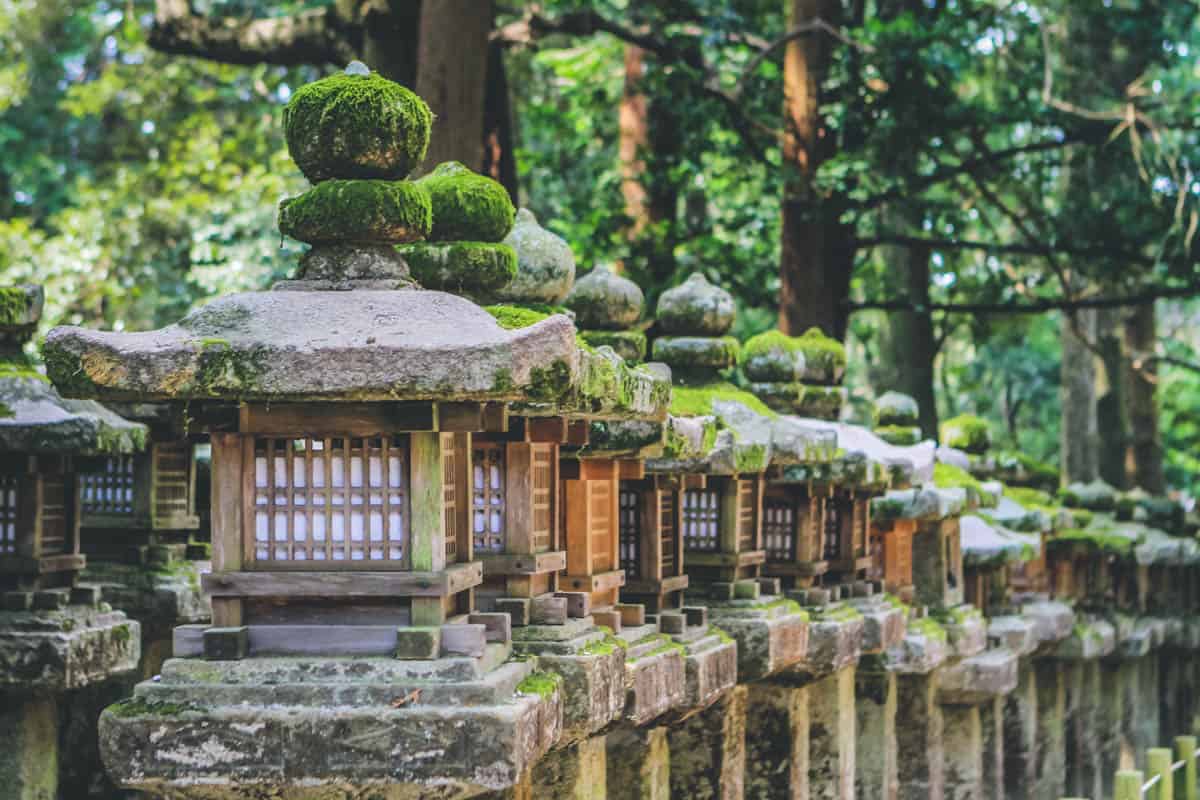
Renowned for its thousands of stone lanterns and vibrant vermilion architecture set within the forest.
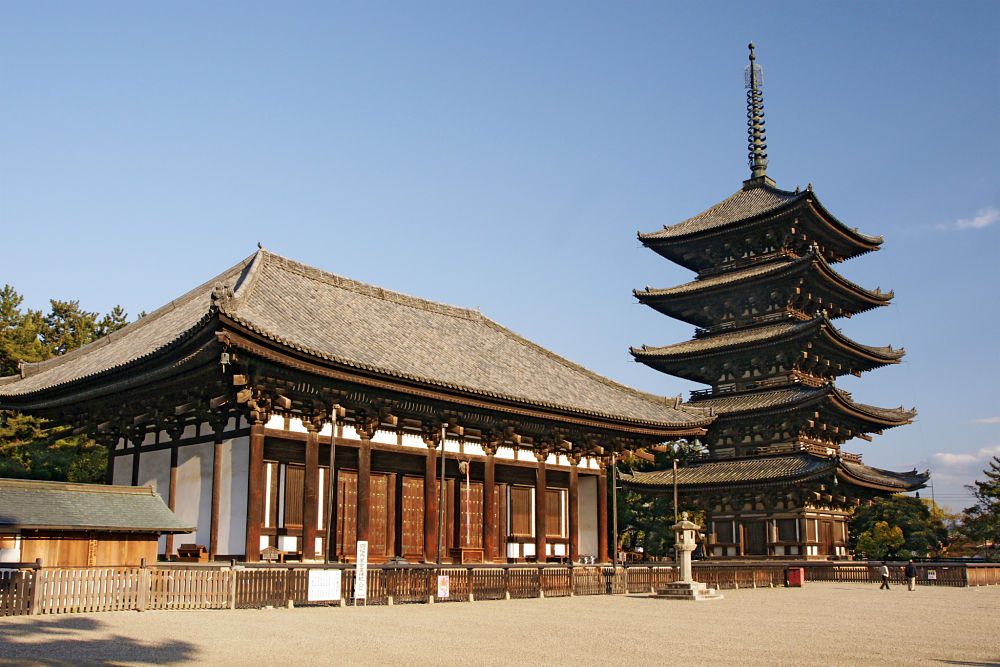
Features a famous five-story pagoda that creates a stunning reflection on the nearby Sarusawa Pond.
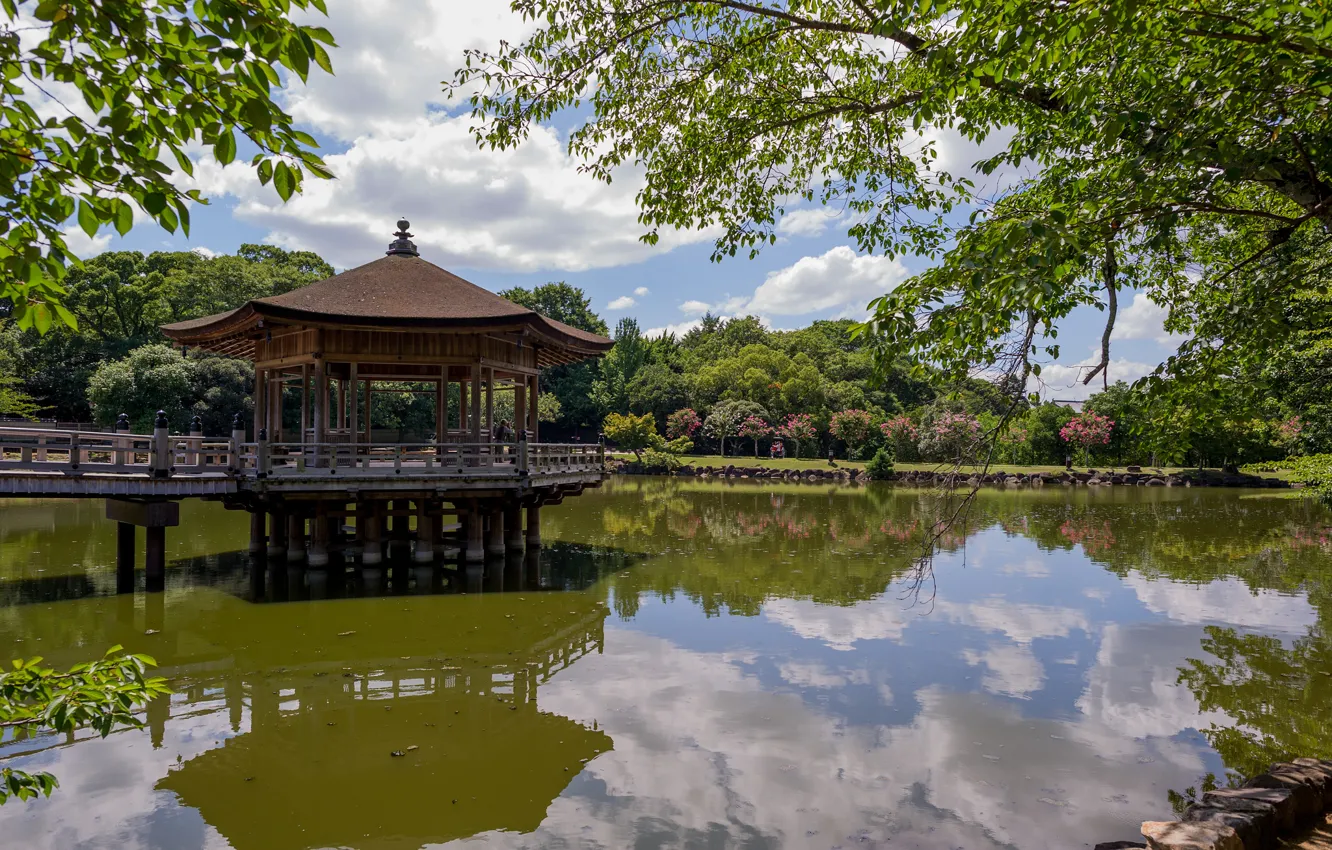
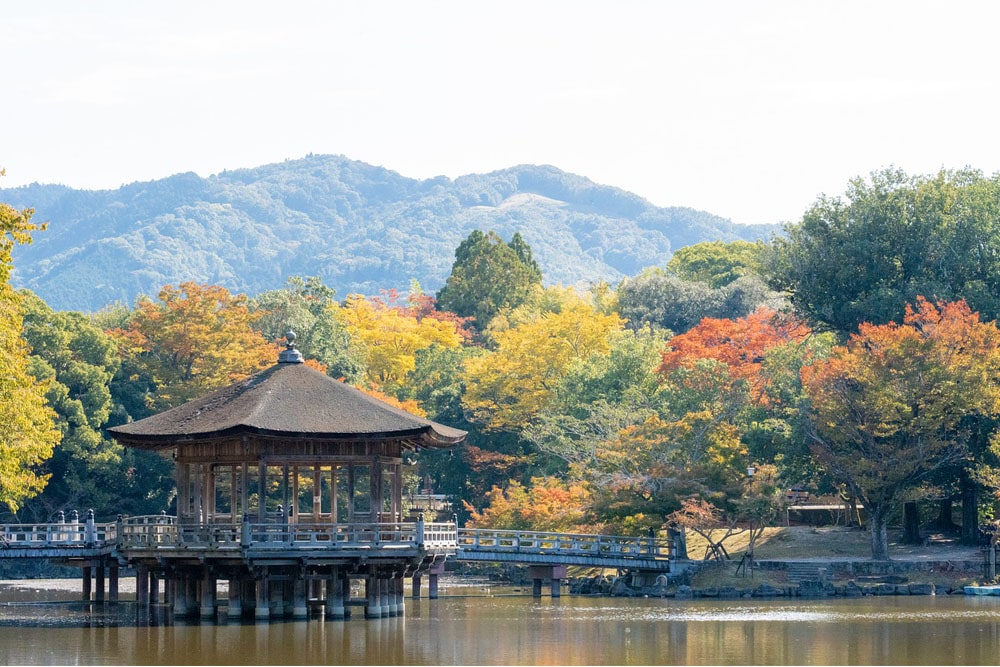
A tranquil wooden structure floating on Sagi-ike Pond, offering a peaceful setting for photography.
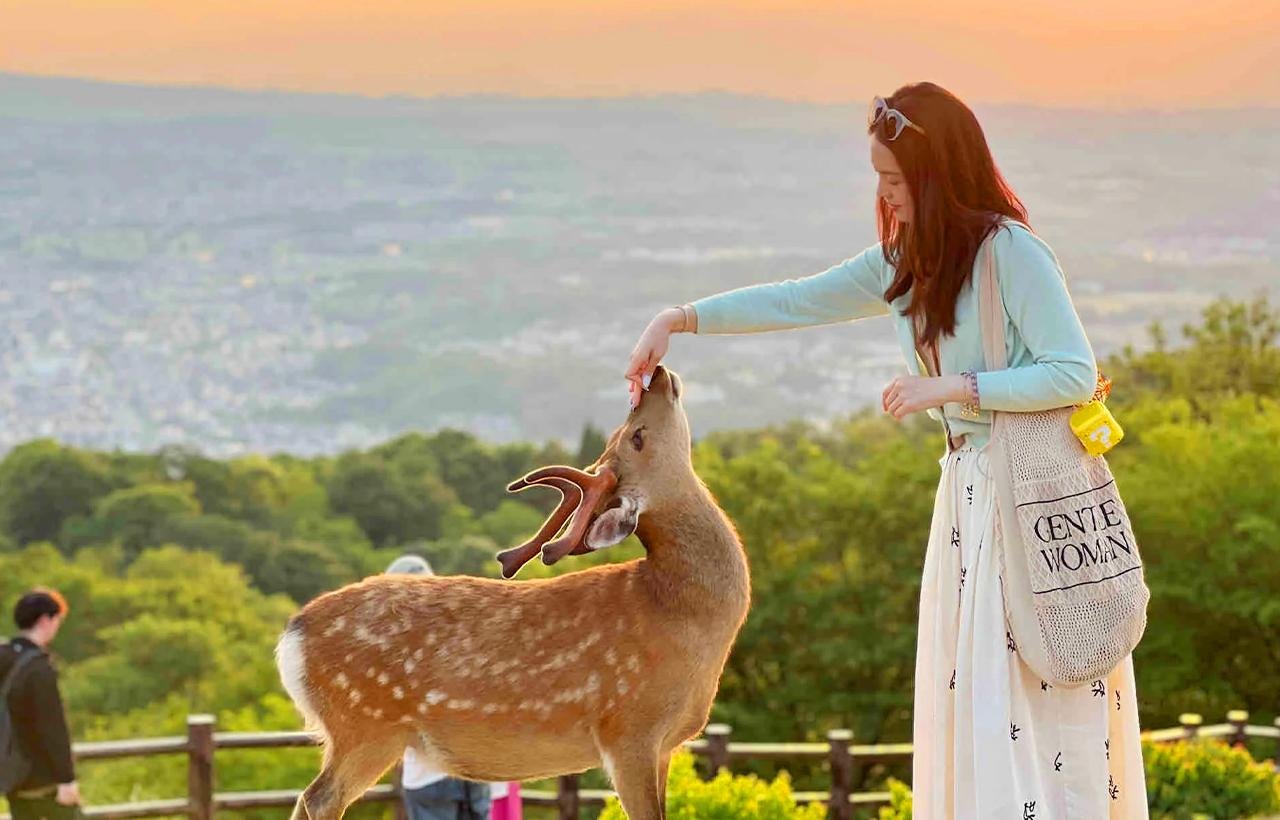
Provides panoramic views of the city and is particularly beautiful during the annual mountain burning festival.
Every Nara and Uji Day tour side-by-side — duration, what's included, how you redeem.
| Experience | Duration | Rating | Transfers | Skip-the-line | Guide | Small group | Price | |
|---|---|---|---|---|---|---|---|---|
|
Guided Experience Most popular
Arashiyama, Nara & Fushimi Inari Day Trip from Osaka/Kyoto
|
10 hr | ★ 4.4 | ✓ | ✓ | ✓ | ✓ | €41 | Book → |
|
Guided Experience
Kyoto & Nara Day Trip: Fushimi Inari, Arashiyama & Deer Park
|
10 hr | ★ 4.8 | ✓ | ✓ | ✓ | ✓ | €42 | Book → |
|
Guided Experience
Nara & Uji Cultural Day Tour with Deer Encounter and Optional Hot Spring
|
24 hr | ★ 4.3 | ✓ | ✓ | ✓ | ✓ | €49 | Book → |
All prices from verified partners. Availability and exact terms confirmed at checkout.
Visitors prioritizing personal pace benefit most from a self-guided exploration, while those seeking efficient regional coverage prefer the structured approach of an integrated nara and uji day tour. Choosing the correct Nara and Uji day tour tours ensures alignment with your specific sightseeing goals.
| Feature | Top pick Nara Park Solo | Integrated Day Tour |
|---|---|---|
Pace and Flexibility |
Self-paced and highly flexible | Strictly scheduled group timing |
Depth of Nara Park Exploration |
Full day immersion possible | Limited to 1–2 hours |
Travel Complexity |
Requires independent navigation | Managed logistics and transit |
Inclusion of Tea Culture |
Not standard or included | Uji matcha experiences included |
Suitability for Photography |
Ideal for early light | Crowded peak hours often |
Nara and Uji day tour tickets |
Individual site fees apply | All-inclusive entry pricing |
| See tickets → |
Verdict: Opt for the independent visit if you desire freedom among the wild deer, or select a professional nara and uji day tour tour if you prefer curated access to matcha tea houses and architectural landmarks.
Choose your ticket, select your date, and reserve in under two minutes. Secure checkout handled by our verified partner.
Instant confirmation by email, with a mobile voucher you can save offline. No printing, no queuing at a collection desk.
Arrive at the entrance, show your voucher on your phone, and walk in. Most tickets include priority or skip-the-line access.
Practical details for Nara and Uji Day tickets straight from our verified partners — hours, access, rules, and how to get there.
469 Zoshicho, Nara
Main assembly point for most groups
Open in Google MapsTake the Kintetsu line to Kintetsu Nara Station or JR line to JR Nara Station.
Casual, comfortable walking attire is recommended for a nara and uji day tour. Modest clothing is respectful when visiting the various shrines and temples located within the grounds.
Keep all paper, plastic bags, and leaflets concealed as they attract aggressive deer. There are no trash bins in the park, so prepare to carry out all personal waste.
Photography is permitted throughout the area. Respect the animals by avoiding flash photography or crowding the deer during your nara and uji day tour.
Main pathways are paved and wheelchair accessible. Some natural terrain near forest trails may be uneven, so plan your nara and uji day tour route accordingly.
Mobile phone use is unrestricted, but refrain from using them to entice or tease animals. Stay aware of your surroundings while navigating the park trails.
The park is highly family-friendly with open spaces and deer interactions. Keep a close watch on small children, as the deer can be assertive when seeking food.
Only feed deer the official shika senbei crackers available at local vendors. Consumption of human food is prohibited in certain temple precincts; dispose of all wrappers properly.
Pets are generally allowed if kept on a short leash at all times. Be mindful that deer may react defensively to the presence of dogs.
As of 2026, the park is a protected national monument. Please follow all posted signage and ranger instructions regarding wildlife safety during your nara and uji day tour.
Best time to go, insider tips, nearby landmarks, and the cancellation fine print — flip through to skim what matters to you.
How crowds, weather, and events shift across the year.
Mild temperatures and cherry blossoms attract many visitors to the park.
Small details that turn a good visit into a great one.
Deer are most hungry in the morning and can be pushy.
Non-bookable sights within a short walk — free to visit, easy to pair.
Massive wooden structure housing the Great Buddha.
Flexible, no hidden fees.
Nara Park has no entrance fee of 0 JPY and does not require reservations. Private nara and uji day tour tours may have individual cancellation policies depending on the operator.
Hand-picked options within walking distance — pick a district for vibe, or a specific hotel for convenience.
Historic hotel with traditional garden views.
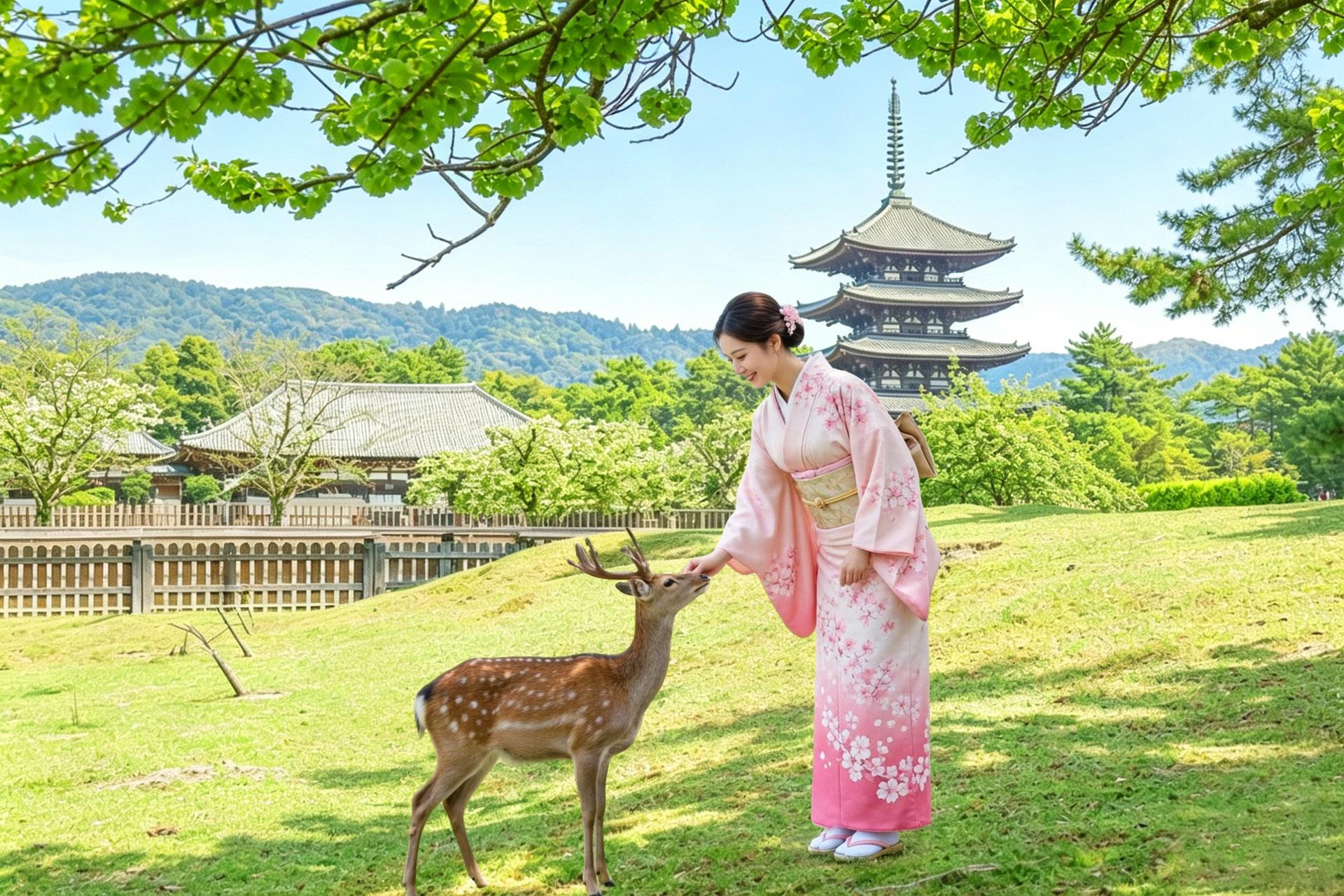
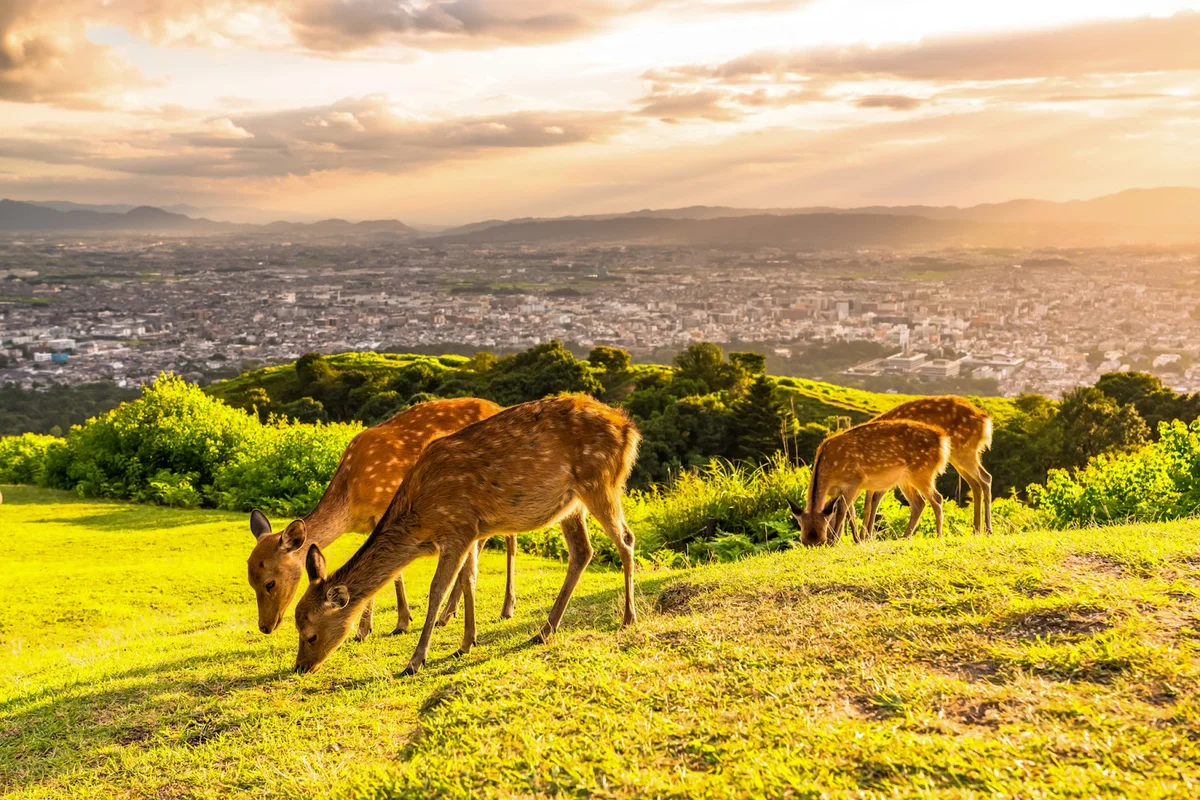
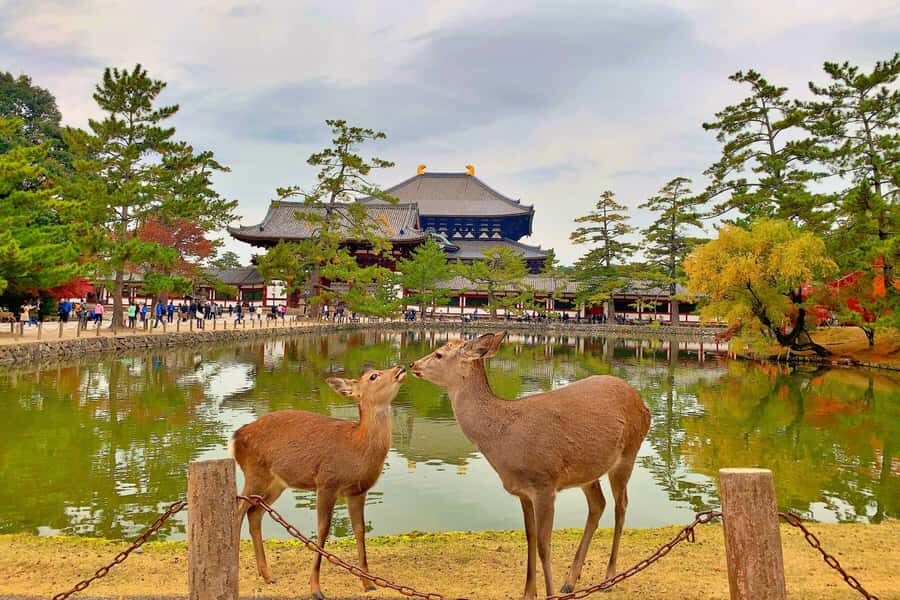
Nara Park spans 502 hectares at the base of Mount Wakakusa, where 1,200 sika deer roam freely under protected status granted in 1957. The deer population, considered messengers of the Shinto gods, has adapted to human presence over thirteen centuries, developing the ritualized bowing behavior visitors recognize today.
Todai-ji Temple anchors the park's western edge, its Daibutsuden housing a 15-meter bronze Buddha cast in 752 CE using an estimated 437 tonnes of molten metal. The hall itself, rebuilt in 1709 at two-thirds its original width, remains the world's largest wooden structure.
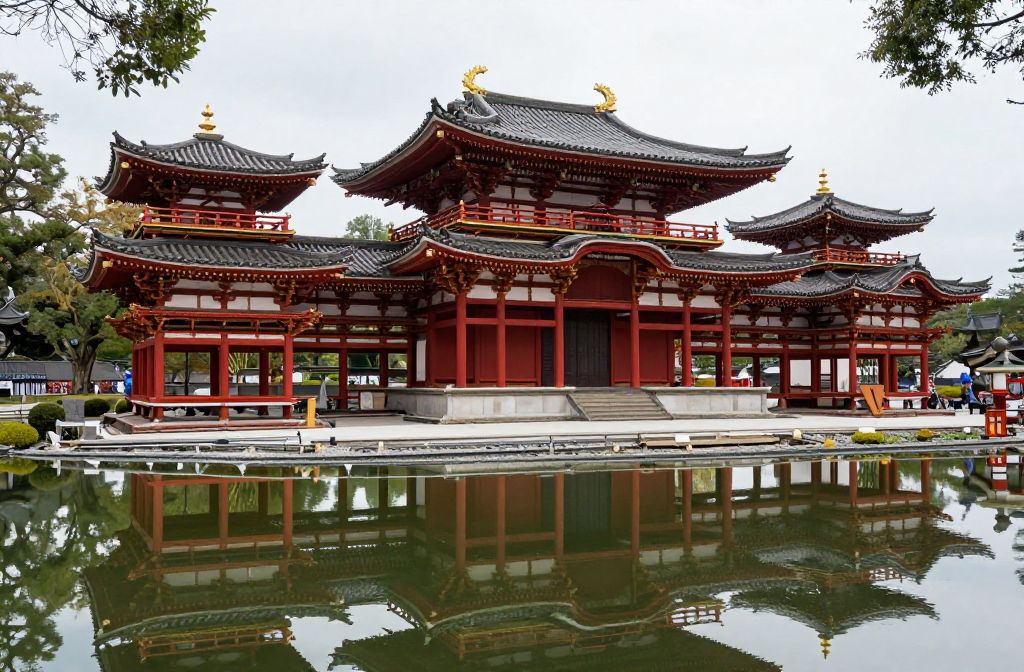
Fifteen kilometers south, Uji bridges the Yodo River at a strategic crossing that made it the setting for the final ten chapters of The Tale of Genji. Byodo-in Temple, constructed in 1053 as a retired emperor's villa, perfected the Pure Land architectural style that would define Buddhist temple design for centuries. Its Phoenix Hall appears on the ten-yen coin and 10,000-yen note, the paired bronze phoenixes atop the roof cast with such precision that modern metallurgists still study the alloy composition. The hall's interior Amida Buddha, carved by Jocho, established the proportions and serene expression that became the canonical form for paradise imagery across East Asia.
Uji's parallel identity as Japan's premier tea region began when Buddhist monk Eisai planted the first tea seeds on Mount Togano in 1191, then expanded cultivation to Uji's misty hillsides. The region's clay-rich volcanic soil and morning fog produce the shade-grown tencha leaves that yield matcha's vivid chlorophyll green and umami depth. By the sixteenth century, Uji supplied the imperial court and Kyoto's tea masters exclusively, a monopoly that held until the Meiji Restoration.
A nara and uji day tour bridges 1,300 years of Japanese cultural continuity, from Nara's role as the nation's first permanent capital (710–794 CE) to Uji's refinement of the aesthetic principles that would define the tea ceremony. The distance between Kyoto and Nara measures 42 kilometers, while Uji sits precisely midway, making the circuit achievable within nine hours of daylight. Summer visitors encounter the deer during their velvet antler season, when bucks grow new racks coated in nutrient-rich tissue. The nara uji tour circuit typically departs Kyoto Station at 08:00, allowing two hours in Nara Park before the midday crowds, then transitions to Uji for afternoon temple access and tea house visits that close by 17:00.
"The hall's interior Amida Buddha established the proportions that became the canonical form for paradise imagery across East Asia."
A step-by-step walkthrough of Nara and Uji Day tickets — what you'll see, how long each stage takes, and the details that matter.
You step off the train at Nara Station at 08:30, when dew still clings to the park's gravel paths and the deer graze in loose herds near Sarusawa Pond.
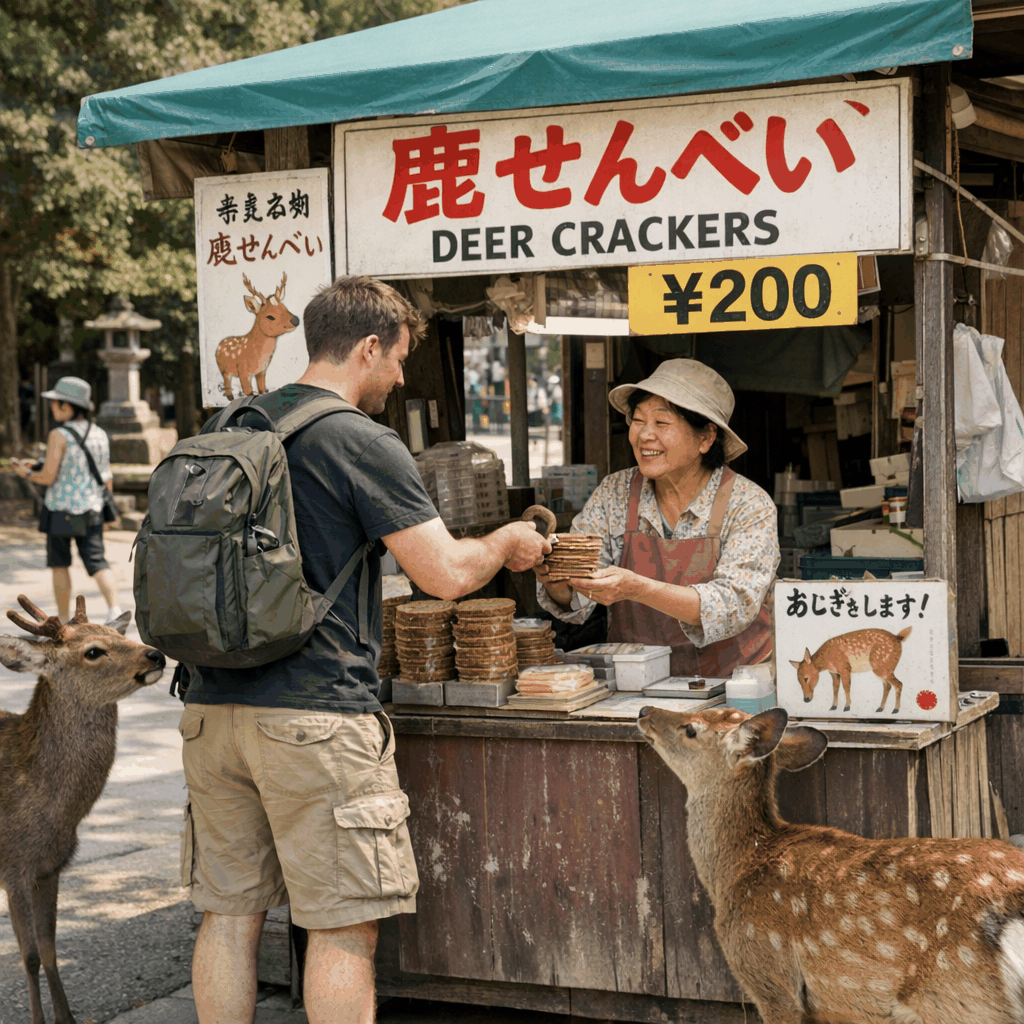
Purchase senbei crackers from the first vendor stall—the deer recognize the wrapped packets at twenty meters and approach with measured bows, dipping their heads in a motion unchanged since the Heian period. Walk northwest toward Todai-ji's Nandaimon Gate, where eighteen-meter guardian statues flank the entrance. Inside the Daibutsuden, you circle the Buddha clockwise, pausing at the wooden pillar with a square hole cut at its base—crawling through matches the nostril diameter of the bronze statue and promises enlightenment, though the fit challenges anyone broader than a child.
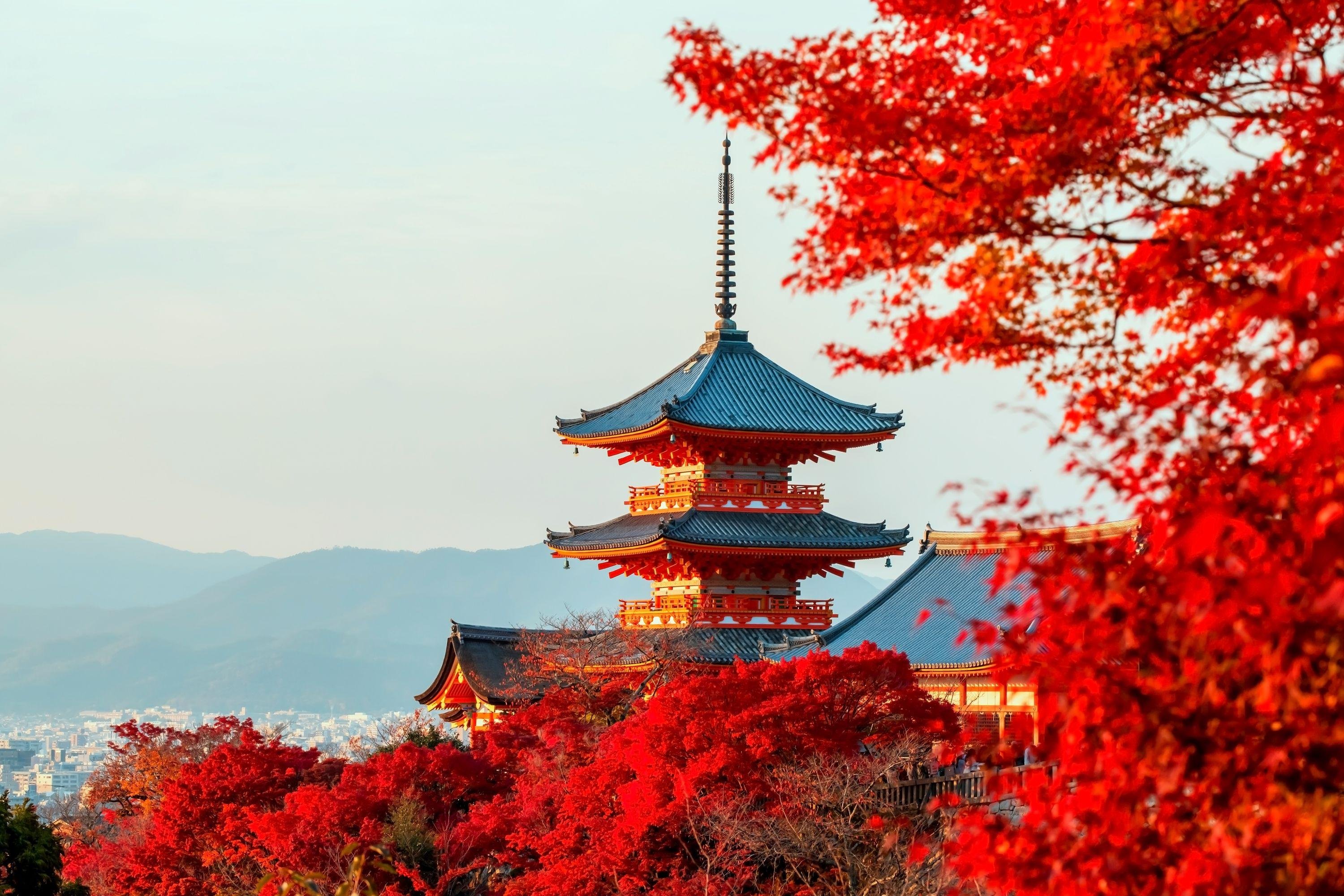
By 11:00 you board the JR Nara Line south to Uji, arriving thirty-five minutes later at a riverside town where tea shops outnumber restaurants three to one. Cross the vermillion Uji Bridge, rebuilt in its current form in 1996 but following the ninth-century alignment, then enter Byodo-in through the Omotesando approach. The Phoenix Hall sits centered in a man-made pond designed to mirror Mount Hiei's silhouette. You remove your shoes for interior entry—the fifty-two wooden bodhisattva figures suspended from the ceiling appear to descend from clouds, their gilding still retaining sixty percent of the original gold leaf. Before departure, stop at Nakamura Tokichi's flagship teahouse for usucha service, where staff whisk ceremonial-grade matcha in bowls thrown by local potters, the foam forming peaks that hold their structure for exactly ninety seconds.
Nara Park is largely accessible with paved paths, though some areas have natural slopes.
Entrance to Nara Park is 0 JPY; you do not need tickets for the park itself.
The park is open 00:00–23:59, allowing for flexible access.
Prohibited items include firecrackers, drones, and weapons; keep paper bags hidden.
Yes, it is family-friendly, but ensure children respect the wild deer.
The best arrival window is 07:00–09:00 for the calmest experience.
Feeding deer is restricted to authorized crackers only; please carry out your trash.
The park is a short walk from Kintetsu Nara or JR Nara stations.
Yes, photography is allowed and encouraged, provided you do not disturb the wildlife.