10 hr
Kyoto & Nara Cultural Heritage Bus Tour
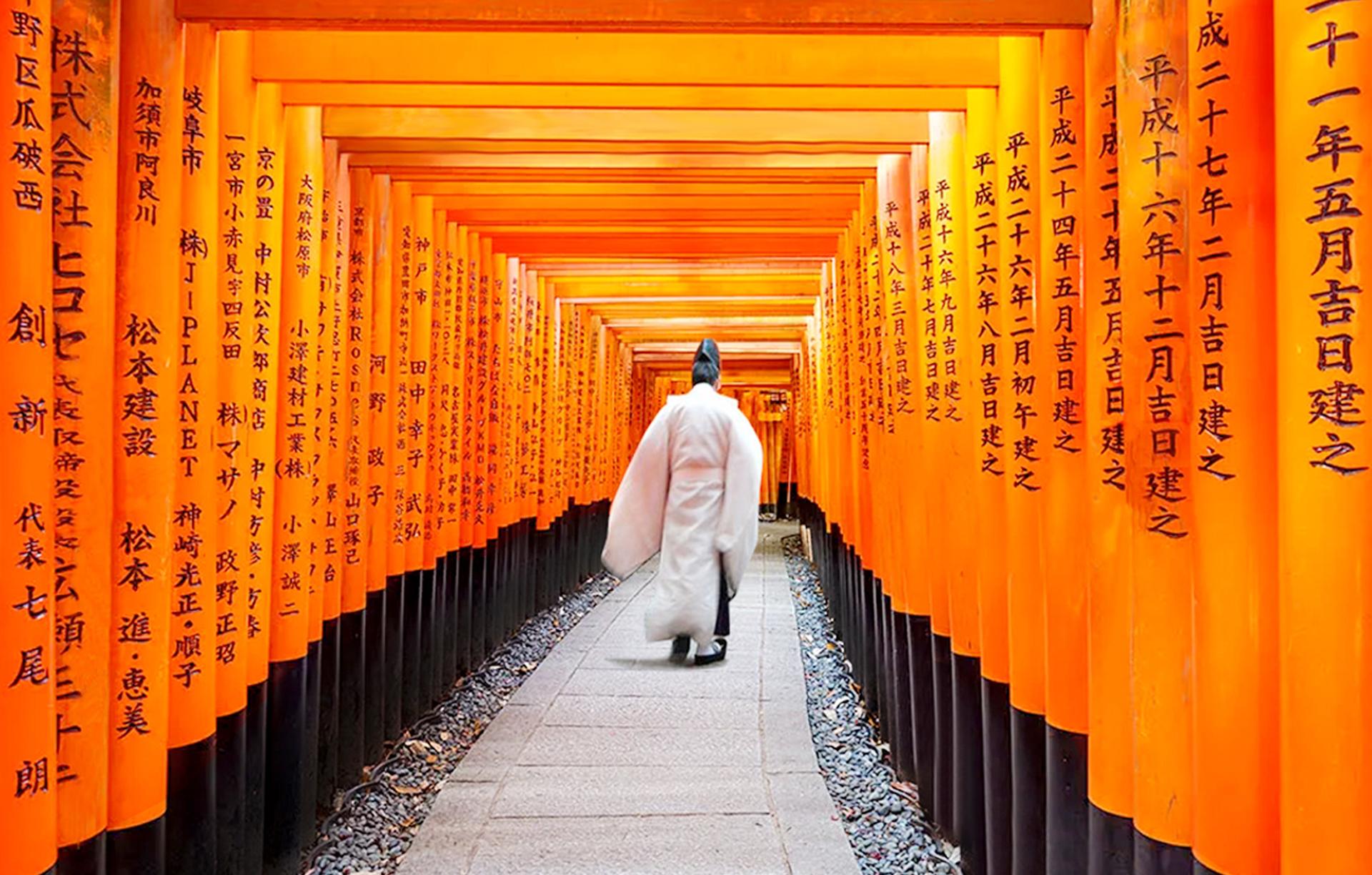
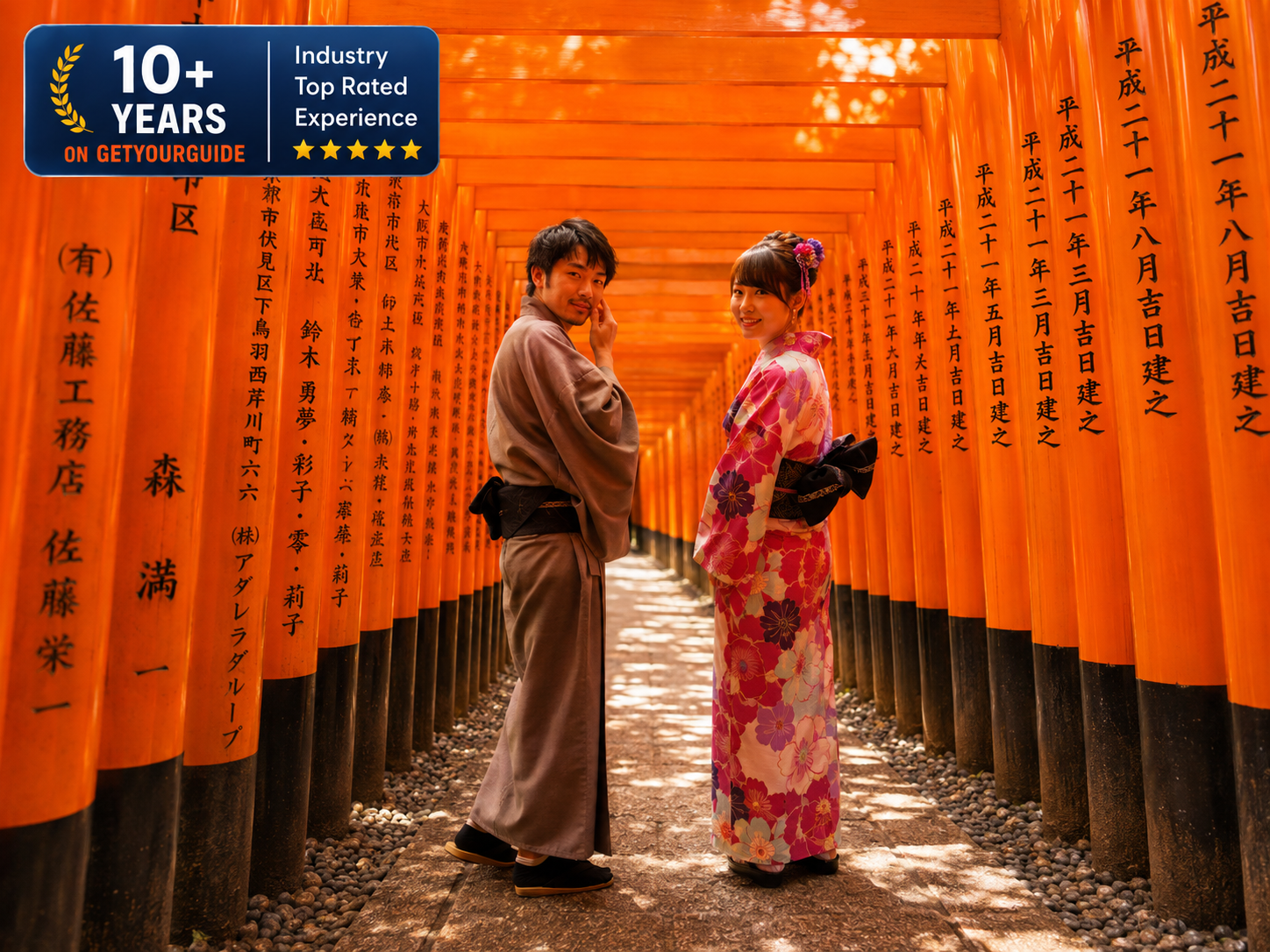
Explore sacred deer parks, thousands of vermillion shrine gates, and serene bamboo groves in one day
Reserve
Hand-picked by our editors — only the best 5 departures from 12 reviewed.
Verified partners for every tour, free cancellation where available, and instant confirmation on every booking.
10 hr
Explore sacred deer parks, thousands of vermillion shrine gates, and serene bamboo groves in one day
Reserve
10 hr
Discover three iconic Japanese destinations in one day: bamboo groves, sacred deer, and vermilion shrine gates
Reserve
8 hr 30 min
Full-day coach journey to ancient temples, friendly deer, and hands-on green tea preparation in Uji
ReservePrices from verified partners. Availability updates in real time at checkout. Free cancellation policies apply where shown.
The landmarks, rooms, and views travelers on this tour remember — all visible on a single visit.
Houses the Daibutsu, one of the largest bronze Buddha statues in the world. The wooden structure is a feat of ancient engineering.
This shrine is famous for its 3,000 lanterns that are lit during special festivals. The path is lined with stone lanterns covered in moss.
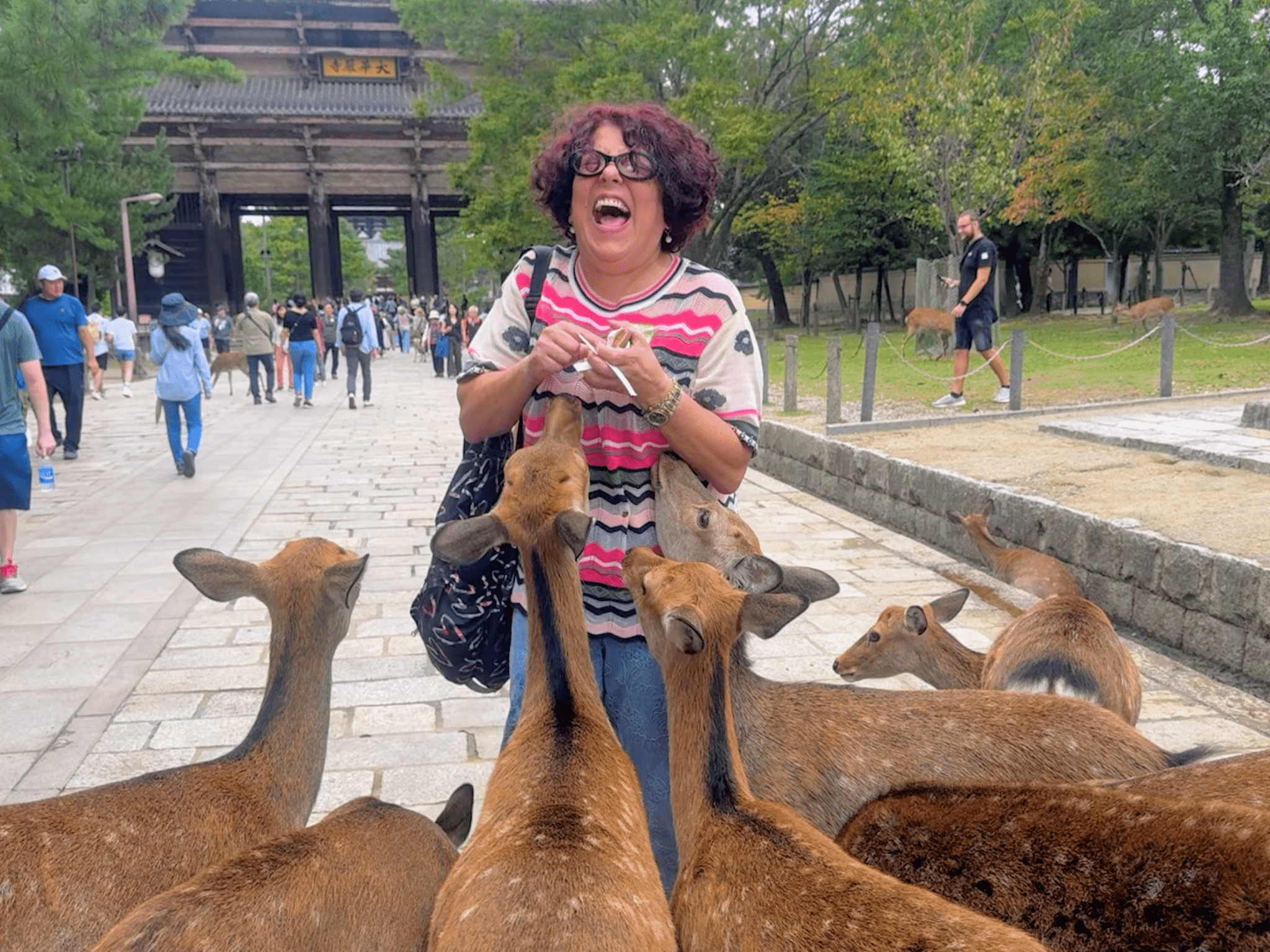
Over 1,000 free-roaming sika deer inhabit this area, considered messengers of the gods. They are a protected national treasure.
The main gate features two massive guardian statues standing over 8 meters tall. It dates back to the Kamakura period.
These expansive grounds feature multiple historic structures and serene landscapes. It remains a key stop on any Nara and Uji tour from kyoto.
Focusing on a specific Nara and Uji tour from kyoto offers a slower, more immersive heritage experience compared to the high-tempo pace of broad multi-city itineraries. Most travelers who prioritize specialized temple exploration and regional tea culture find the dedicated Nara and Uji route more rewarding.
| Feature | Top pick Nara & Uji Focus | Multi-City Express |
|---|---|---|
Cultural Depth |
High regional focus | Surface-level highlights |
Transit Frequency |
Moderate bus transit | High frequency transit |
Physical Pace |
Leisurely walking | Fast-paced logistics |
Time Spent with Deer |
Extended interaction | Limited photo stop |
Matcha Experience Level |
Ceremonial immersion | Retail-oriented tasting |
nara and uji tour from kyoto tours |
Dedicated itinerary | High-speed travel |
| See tickets → |
Verdict: Choose the Nara and Uji tour from kyoto tour if you prefer deep cultural engagement over the broad coverage of the Multi-City Express, though note that securing nara and uji tour from kyoto tickets early helps manage your schedule.
Choose your ticket, select your date, and reserve in under two minutes. Secure checkout handled by our verified partner.
Instant confirmation by email, with a mobile voucher you can save offline. No printing, no queuing at a collection desk.
Arrive at the entrance, show your voucher on your phone, and walk in. Most tickets include priority or skip-the-line access.
Practical details for your visit straight from our verified partners — hours, access, rules, and how to get there.
469 Zoshicho, Nara
Main gate near the tourist information center
Take the Kintetsu Line from Kyoto Station to Kintetsu-Nara Station. The park is a short walk from the station exit.
Use the JR Nara Line from Kyoto Station to JR Nara Station. The park is accessible via local bus or 20-minute walk.
Wear comfortable walking shoes suitable for gravel paths and grassy areas often found in this Nara attraction. Dress in layers appropriate for the seasonal climate of the Kansai region.
There are no security checkpoints at the park entrances as it is an open public space. Keep personal belongings secure while interacting with the free-roaming deer.
Photography is permitted throughout the park, though respect the animals by avoiding flash photography. Nara and Uji tour from kyoto guests often capture images of the historic pagodas.
Main pathways are paved, but many historic areas contain uneven surfaces. Most visitors on a Nara and Uji tour from kyoto can navigate the primary trails with reasonable ease.
Mobile phone use is permitted throughout the park. Strong signal is generally available for those navigating their Nara and Uji tour from kyoto independently.
The park is highly family-friendly with open spaces for children. Always supervise minors closely around the wild deer population.
Picnicking is common in the park, but avoid feeding the deer anything other than authorized deer crackers. Dispose of all waste in provided bins to protect the local wildlife.
Pets are allowed in the park grounds but must remain on a leash at all times. Keep pets a safe distance from the wild deer.
As an open public park, there are no specific time restrictions for entry. Nara and Uji tour from kyoto organizers recommend arriving early to avoid the mid-day heat.
Best time to go, insider tips, nearby landmarks, and the cancellation fine print — flip through to skim what matters to you.
How crowds, weather, and events shift across the year.
Late March to April features cherry blossoms throughout the park grounds. Expect heavy crowds during the bloom season.
August brings hot, humid weather and the Mantoro lantern festival. Morning visits are vital for comfort.
November offers vibrant red maples which frame the historic landmarks beautifully. Popular with photographers.
January and February are colder but offer the fewest crowds. Many visitors enjoy the quiet atmosphere during these months.
Small details that turn a good visit into a great one.
Bow to the deer to initiate interaction as they are trained to bow back. Never tease them with food or let children approach unsupervised.
Keep coins handy to purchase deer crackers from local vendors throughout the park. Credit cards are generally not accepted for these small purchases.
Wear shoes you do not mind getting dirty as the paths are composed of gravel and soil. This is essential for a full Nara and Uji tour from kyoto experience.
Download an offline map before you leave Kyoto. Connectivity can fluctuate near the dense wooded areas of the park.
Nara Park provides limited shade in certain open areas. Bring a hat and sunscreen during the intense summer months.
Non-bookable sights within a short walk — free to visit, easy to pair.
Houses the massive Great Buddha statue and historic wooden architecture.
Famous for thousands of stone and bronze lanterns lining the paths.
Features an extensive collection of Buddhist art and artifacts.
A refined garden showcasing traditional Japanese landscape design.
Flexible, no hidden fees.
Nara Park itself has 0 JPY entrance fee. For any booked Nara and Uji tour from kyoto, please refer to the specific operator cancellation policy provided at checkout.
Hand-picked options within walking distance — pick a district for vibe, or a specific hotel for convenience.
Historic hotel offering traditional luxury near the park.
Convenient location with easy access to city landmarks.
Simple lodging suitable for those on a Nara and Uji tour from kyoto.
Nara Park's 1,200 sika deer bow to visitors who offer them senbei crackers, a gesture encoded in centuries of Shinto reverence. The 502-hectare park, established in 1880, shelters Todai-ji Temple, whose Daibutsuden hall houses a 15-meter bronze Buddha cast in 752 CE using eight separate bronze pours. The hall itself, rebuilt in 1709 at two-thirds its original scale, remains the world's largest wooden structure. Thirty kilometers south, Uji straddles the river of the same name, its banks lined with tea estates that supplied the imperial court from the Heian period onward. Byodo-in Temple, erected in 1053 as a villa for Fujiwara no Yorimichi, dominates the western shore; its Phoenix Hall appears on the ten-yen coin and was designed to evoke the Pure Land paradise described in Buddhist sutras. A Nara and Uji tour from Kyoto bridges two UNESCO World Heritage sites within a single day, departing central Kyoto stations between 08:00 and 09:00 and returning by 18:00. Operators provide reserved seating on air-conditioned coaches and skip-the-line access at Todai-ji, bypassing ticket queues that exceed 30 minutes during spring and autumn. The 45-minute drive to Nara follows Route 24 through the Yamashiro Basin, where rice paddies alternate with tile-roofed farmhouses. Upon arrival, guides distribute deer crackers and explain the park's free-roaming population, protected as National Treasures since 1957. Kasuga Taisha Shrine, founded in 768, anchors the park's southeastern edge; its 3,000 bronze and stone lanterns, donated by pilgrims over twelve centuries, are lit twice annually during the Lantern Festivals in February and August. Uji's tea culture centers on matcha, the powdered green tea whisked during the Japanese tea ceremony. Tsuen Tea, operating since 1160, occupies a wooden shopfront near Uji Bridge and claims the title of Japan's oldest continually operating tea house. Guided tours include a 30-minute matcha preparation workshop at a traditional tea house, where participants learn the prescribed motions—scooping powder with a chashaku bamboo spoon, pouring 70-degree water, whisking in a W-pattern until froth forms. Byodo-in's Phoenix Hall, visible across a reflecting pond designed to mirror its symmetry, underwent restoration between 2012 and 2014; conservators reapplied gold leaf to the phoenixes atop its roof and stabilized the original 11th-century woodwork. The hall's interior, open to 50 visitors per 20-minute session, displays Jocho's seated Amida Buddha and 52 carved bodhisattvas suspended from the walls. Reservations for interior access require separate booking and sell out weeks ahead during cherry blossom and maple seasons.
"The hall itself, rebuilt in 1709 at two-thirds its original scale, remains the world's largest wooden structure."
A step-by-step walkthrough of the visit — what you'll see, how long each stage takes, and the details that matter.
You board the coach at Kyoto Station's Karasuma Central Exit at 08:30, claiming a window seat as the guide distributes laminated route maps. The highway curves southeast, and within 40 minutes you pass through Nara's outer suburbs, where the driver parks in a designated tour lot 200 meters from Todai-ji's Nandaimon Gate. You walk beneath the gate's 8-meter wooden guardians, carved in 1203, and follow the gravel path toward the Daibutsuden. Deer cluster near the ticket booth, bowing as you hold out a cracker; one nudges your jacket pocket, and you photograph its persistent snout before the guide ushers the group inside. The Buddha's bronze face rises 5 meters above its lotus pedestal, and you crane your neck to see the top of its head. The guide points to a wooden pillar with a square hole at its base—equal in diameter to the Buddha's nostril—and a child from another group wriggles through for luck. You exit through the eastern gate, reboard the coach, and arrive in Uji 25 minutes later. At the tea house, you kneel on a tatami mat and accept a ceramic bowl from the instructor, who demonstrates the whisking motion. Your first attempt produces uneven foam, but the second bowl achieves the desired consistency, and you sip the slightly bitter matcha as instructed, rotating the bowl twice before setting it down. The guide allows 40 minutes at Byodo-in; you photograph the Phoenix Hall from the pond's edge, then join the 14:20 interior tour, standing before Jocho's gilded Buddha as the guide explains the cloud-borne bodhisattvas overhead.
Nara Park is open 00:00–23:59 daily. You can visit at any time during your Nara and Uji tour from kyoto.
No, there is 0 JPY entrance fee for park grounds.
You can take the Kintetsu or JR line from Kyoto to Nara station. Most Nara and Uji tour from kyoto packages include transit assistance.
The best arrival window is 07:00–10:00 to avoid mid-day crowds. This is the optimal time for any Nara and Uji tour from kyoto itinerary.
Limited luggage storage is available at Nara train station. Nara Park does not provide personal storage facilities.
Yes, it is highly family-friendly. Many Nara and Uji tour from kyoto groups cater to travelers with children.
The grounds have many paved areas, but some paths consist of gravel. Accessible routes are available throughout the Nara landmark.
Maintain a calm demeanor and back away slowly. Never turn your back on the deer if you are holding food.
Yes, small vendors offer snacks and deer crackers. Restaurants are available near the park borders for a complete Nara and Uji tour from kyoto experience.
Yes, many visitors combine the Nara and Uji tour from kyoto into a single full-day itinerary.