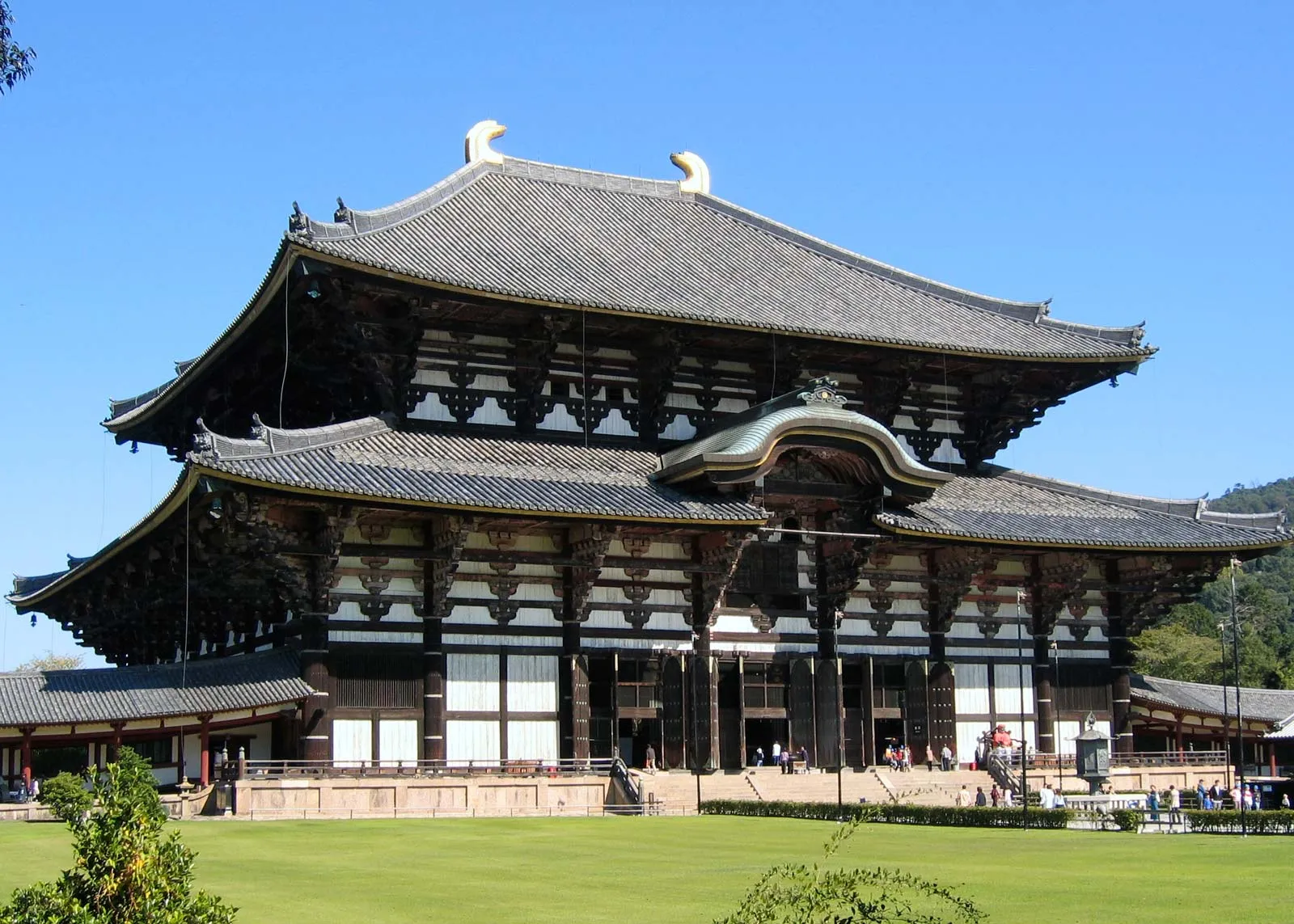
Todai-ji Temple
10 min walk
This temple houses the Great Buddha statue and is located at the northern edge of the park. It provides historical depth following your walk through the park grounds.
Kyoto and Nara sit 42 kilometers apart in the Kansai region, connected by multiple rail lines and highway routes. The journey takes between 35 minutes and one hour depending on your chosen method. Understanding the geography helps you plan a realistic day trip and choose the right departure point in Kyoto.
Quick answer
The distance between Kyoto and Nara measures 42 kilometers (26 miles) in a straight line, with actual travel routes covering 44 to 50 kilometers depending on whether you take the express train via the JR Nara Line or the private Kintetsu Railway. Journey time ranges from 35 minutes on the fastest limited express trains to just over an hour on local services, making Nara Park one of the most accessible day trips from Kyoto.
The 42-kilometer gap separating Kyoto and Nara represents one of Japan's shortest inter-city distances between UNESCO World Heritage concentrations. Both cities served as imperial capitals—Nara from 710 to 794, Kyoto from 794 to 1868—and their proximity allowed courtiers and monks to travel between them on foot in a single day along the historic Nara Kaido highway. Today's rail infrastructure collapses that ancient walk into a sub-hour journey. Two competing railway companies operate parallel routes: JR West runs frequent local and express services from Kyoto Station directly to JR Nara Station, while Kintetsu Railway connects central Kyoto neighborhoods to Kintetsu Nara Station, which sits 300 meters closer to Nara Park's deer grounds. The Kintetsu limited express shaves five minutes off the JR express time but requires a surcharge; both local services cost under 750 yen and deliver passengers within walking distance of Todai-ji Temple and the park's main deer populations. Geography shapes the journey. The route cuts southeast across the Kyoto Basin, passes through the low Yamashiro Hills, then descends into the Nara Basin. Express trains skip intermediate stations in satellite cities like Uji and Joyo, while local services stop at ten to twelve platforms, adding 20 minutes. Highway buses follow the Keihan National Route but face unpredictable traffic during cherry blossom season and autumn foliage peaks, when the Kyoto to Nara corridor sees heavy weekend congestion. The short span between the two cities makes morning departures practical. Trains begin running before six, and the earliest arrival lands you at Nara Park before the tour groups assemble. The distance also permits flexible itineraries: visitors commonly allocate four hours to Nara's core attractions—Todai-ji, Kasuga Taisha, and the deer feeding areas—then return to Kyoto by early afternoon. The journey's brevity eliminates the need for overnight stays unless you intend to explore Nara's southern temples or the Yoshino mountain district beyond the park perimeter.
“The 42-kilometer gap separating Kyoto and Nara represents one of Japan's shortest inter-city distances between UNESCO World Heritage concentrations.”
Nara Park is located in the heart of Nara City, accessible from Kyoto via two primary rail operators. Visitors can choose between the JR Nara Line or the Kintetsu Kyoto Line depending on their departure station in Kyoto.
JR Nara Line from Kyoto Station to JR Nara Station
Kintetsu Kyoto Line from Kintetsu-Kyoto Station to Kintetsu-Nara Station
The Kintetsu-Nara Station is closer to Nara Park than the JR Nara Station, reducing your walking time to the main park entrance.
To optimize the travel time between Kyoto and Nara, plan your arrival for the best arrival window: 06:00–09:00. This early start ensures fewer crowds and cooler temperatures for interacting with the deer before the peak daily influx.
Mild, 12°C to 20°C. Cherry blossoms draw high visitor numbers throughout the day.
Cool, 10°C to 18°C. Fall foliage periods experience heavy peak-day traffic.
—. Early transit avoids the midday congestion common on the Kyoto-Nara route.
Hot and humid, 25°C to 33°C. High heat limits midday activity in the park.
Verdict: The optimal experience involves arriving between 06:00–09:00 on a weekday during April or October.
Nara Park is accessible 24 hours a day, providing flexibility for visitors traveling from Kyoto at any time. The grounds remain open throughout the week to accommodate diverse schedules.
Nara Park serves as a central hub for exploring several significant cultural landmarks. These sites are located within easy walking distance, allowing you to combine your visit into a cohesive half-day or full-day itinerary.
10 min walk
This temple houses the Great Buddha statue and is located at the northern edge of the park. It provides historical depth following your walk through the park grounds.
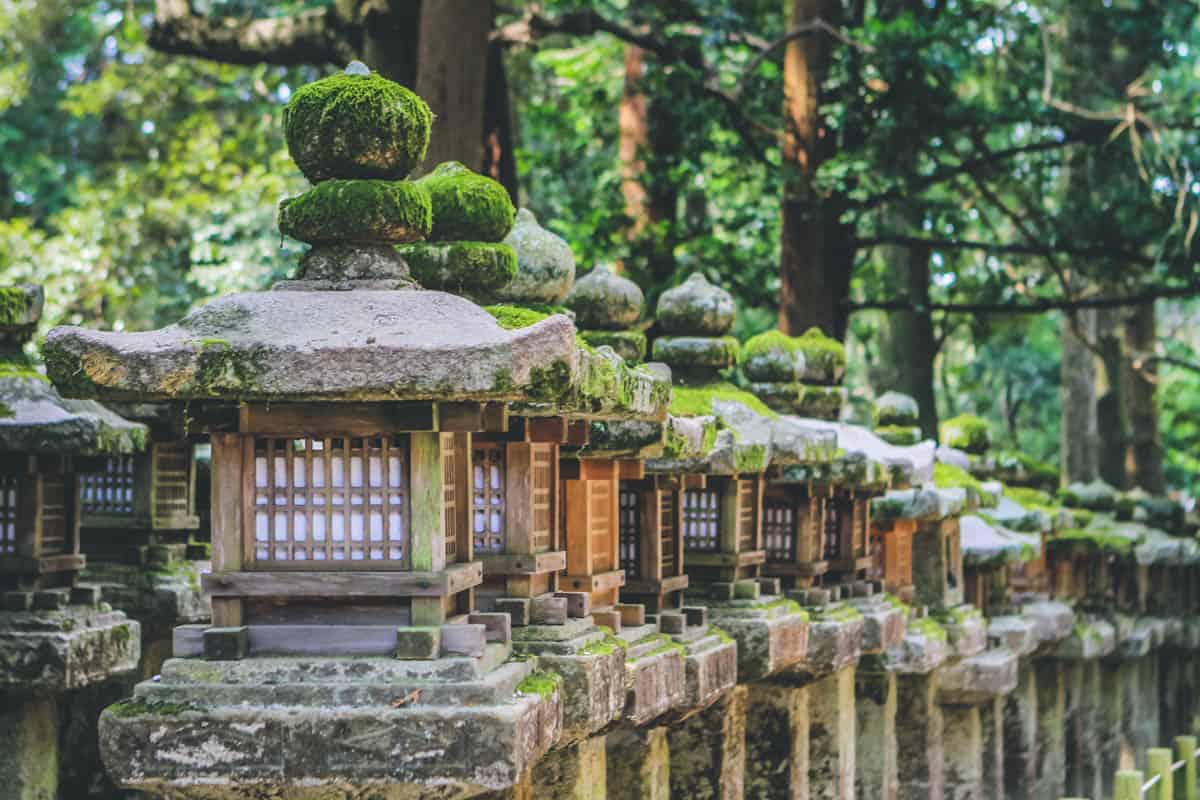
15 min walk
Famous for its thousands of stone and bronze lanterns, this shrine is nestled in the forest adjacent to the park. It offers a quieter, shaded environment to complement the open park areas.
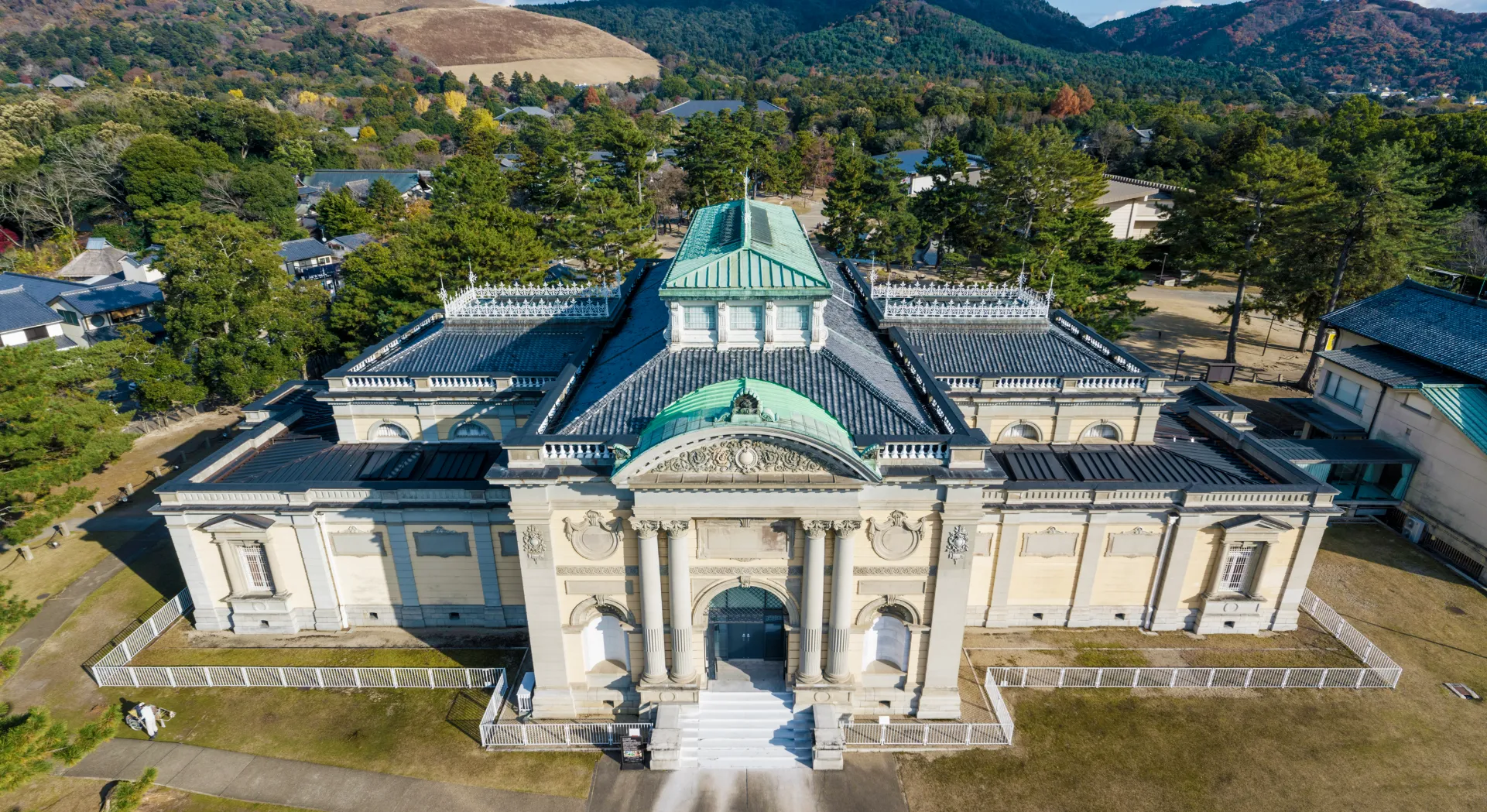
5 min walk
This institution features a comprehensive collection of Buddhist art and artifacts. It is a logical stop for those interested in the historical context of the surrounding temples.
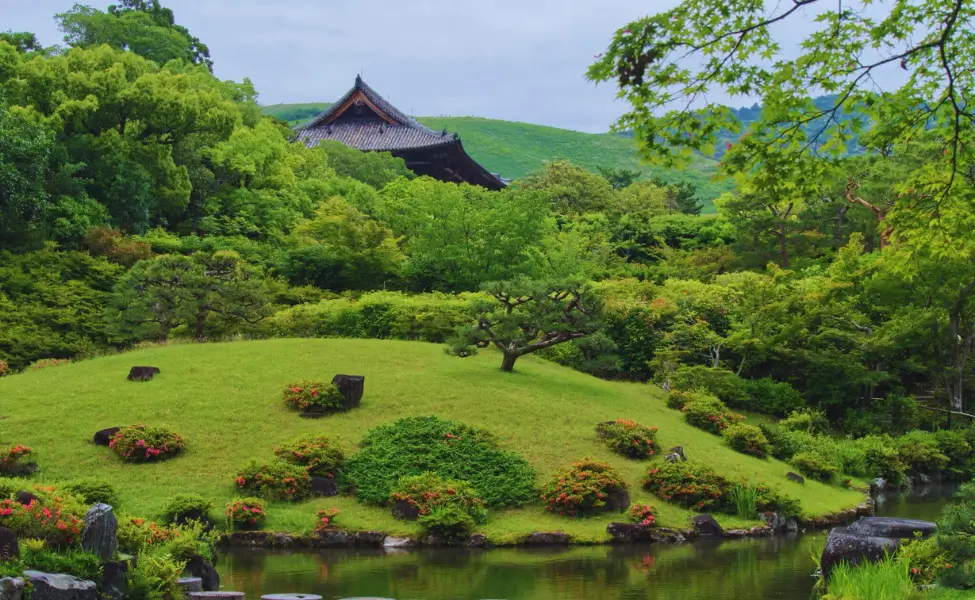
10 min walk
This traditional Japanese garden offers a quiet contrast to the activity of Nara Park. Its layout utilizes the surrounding mountains and temple roofs as borrowed scenery.
Everything you need to know about distance between kyoto and nara
The distance between kyoto and nara is approximately 40 kilometers, making it a short and accessible trip for most visitors. Many people combine these cities when planning a Nara and Uji day tour to maximize their time in the Kansai region.
Travelers can expect to cover the transit time in about 45 to 60 minutes depending on the train line selected. This makes managing the distance between kyoto and nara very convenient for those staying in either city.
Yes, the distance between kyoto and nara is ideal for a day excursion. You can easily travel between these historic sites and return to your base by evening.
Direct limited express trains and local rapid services effectively reduce the effort of traversing the distance between kyoto and nara. These rail links connect Kyoto Station to Kintetsu-Nara or JR Nara stations efficiently.
For the most pleasant experience, we recommend arriving between 06:00 and 09:00. This early window provides cooler temperatures and fewer crowds when interacting with the local deer population.
Entrance to the park grounds is 0 JPY. You can explore the vast expanse of this historic site freely throughout the day.
Visitors often spend their time visiting Todai-ji Temple, the Kasuga Taisha shrine, and the famous wandering deer. Navigating these central landmarks is straightforward once you have completed your travel from Kyoto.
Nara National Museum Hours
Read more GuideIs It Better to Go to Nara From Osaka or Kyoto?
Read more GuideHow to Get to Nara Park From Osaka
Read more Tickets & toursNara and Uji Tour from Kyoto
Read more Tickets & toursNara and Uji Tour from Osaka
Read more GuideNara Uji Day Trip Itinerary
Read more